"De l'or dans les mains" defends the intelligence of the hand
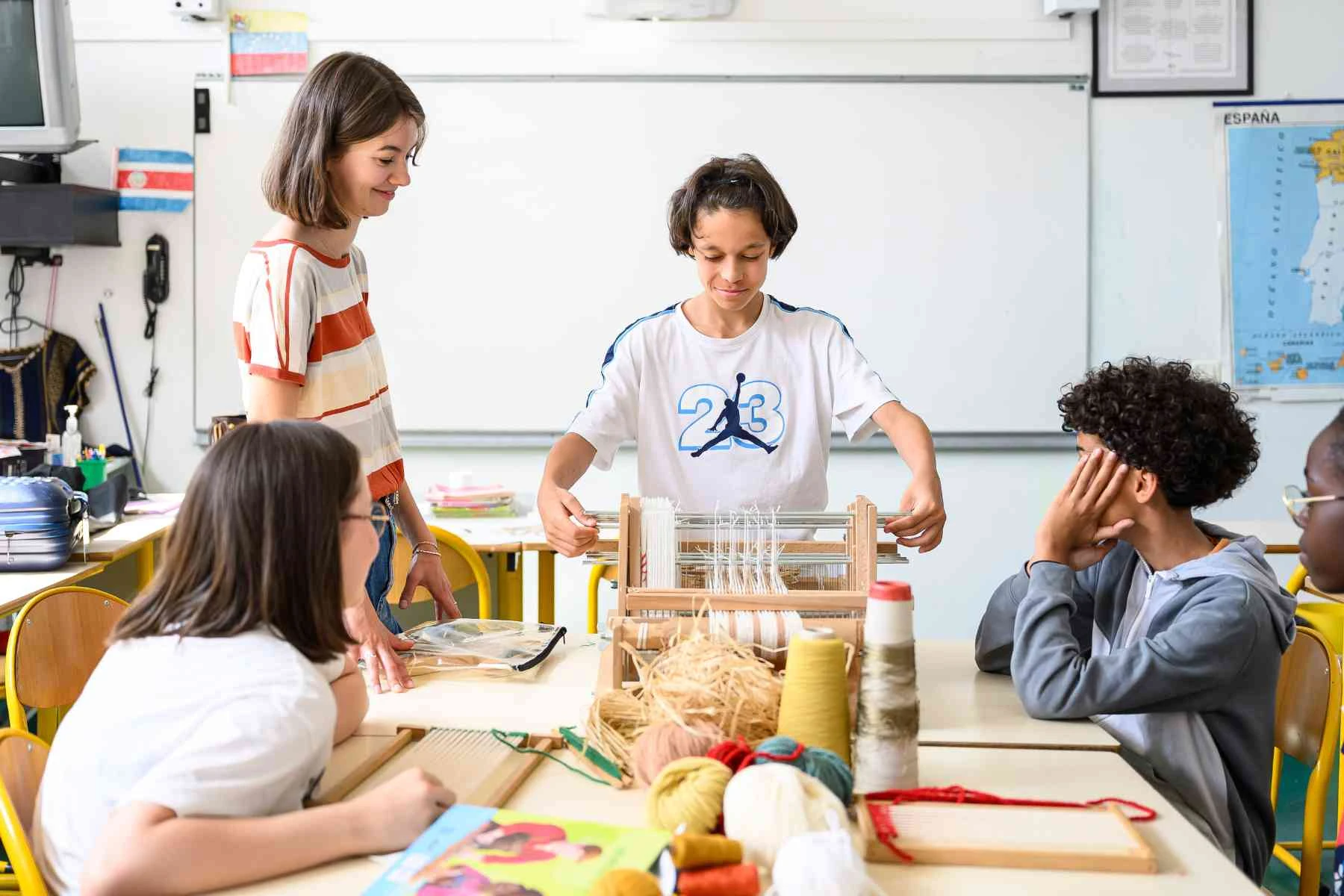
Founded in 2020 by Gabrielle Légeret, the association reintroduces the practice of handicrafts in secondary schools through workshops led by craftspeople. It throws its weight behind public authorities, teachers and the general public, calling for the intelligence of the hand to be reinstated in education and society.
Barely a graduate of Sciences-Po, nourished by intellectual concepts, Gabrielle Légeret nevertheless had the intelligence to think of that of the hand... After launching the Podcast De l'or dans les mains (still in existence) to raise young people's awareness of manual professions, in March 2020 she founded the eponymous association with the same objective, since approved by the French Ministry of Education and eligible for the apprenticeship tax.
"Where I grew up, in Touraine, I witnessed many workshop closures and saw that craftsmen were unable to recruit, she explains. But I also saw that young people couldn't choose these professions, because they didn't come across any workshops along the way. Because manual intelligence no longer has a shop window on the street, it's no longer part of the collective imagination of secondary school students. What's more, manual skills are neither encouraged, nor valued, nor assessed in a pupil's career path, with very little exposure to the pleasures of such a profession. How can you suggest to a 14-year-old that he or she become a dressmaker, even though it's a wonderful profession?"
A dual mission
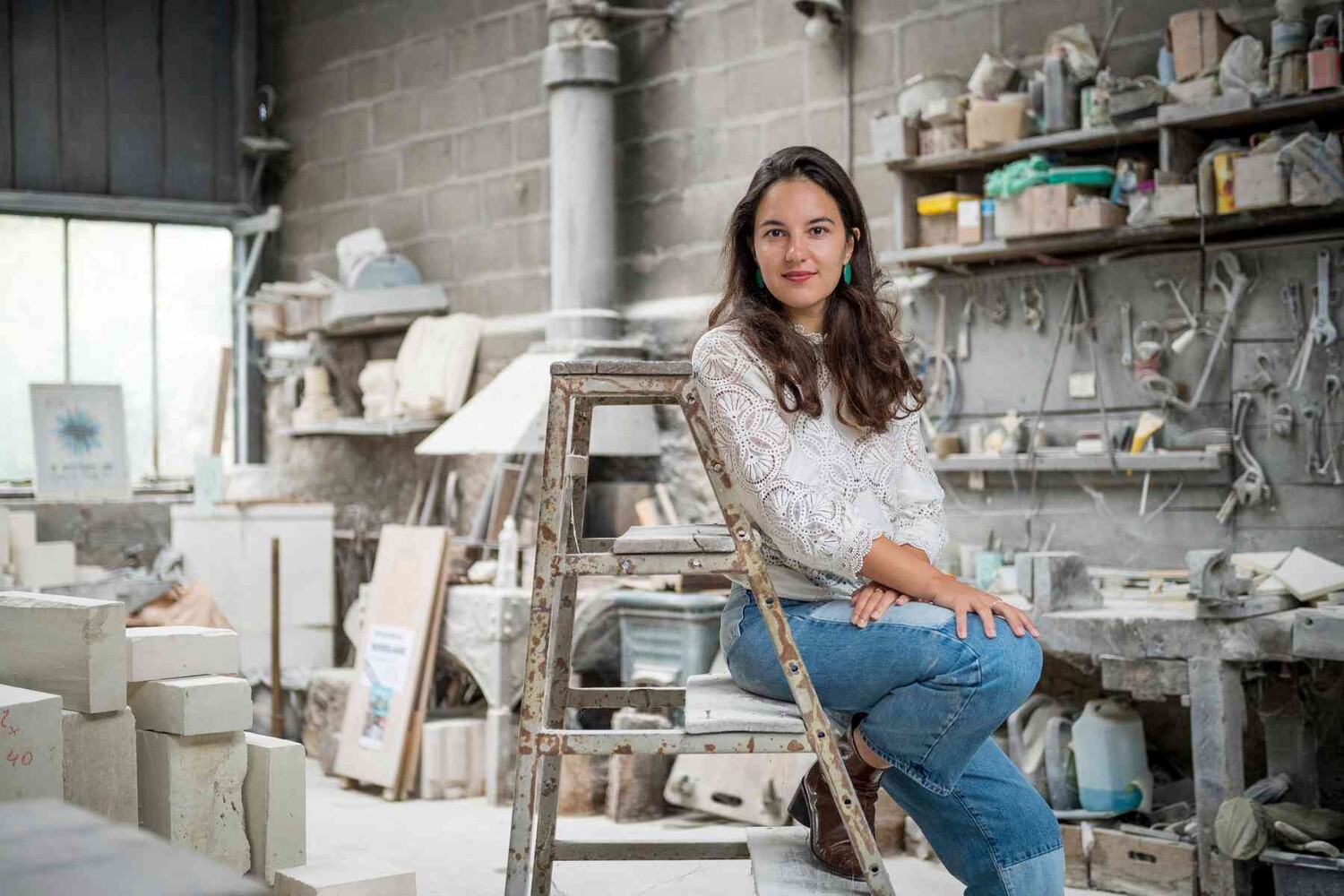 Gabrielle Légeret, general manager and founder of De l'or dans les mains - © Cyril Chigot">
Trained in the global, political approach to an issue, Gabrielle Légeret has mobilized the right players and funding to tackle a dual mission. The first is to reintegrate the practice of handicrafts into middle school by developing educational programs with artisans who come to run workshops linked to schooling. "For example, middle school students will be making a kit as part of a sewing workshop based on their geometry lessons. They'll learn how to calculate the area of the object and how much fabric surface area to allow for...", she details. The association's second mission consists in lobbying public authorities and the general public to restore manual intelligence to its rightful place in society, and to put it back at the heart of the school's educational project.
For the workshops, the association relies on independent craftsmen and company employees within the framework of skills sponsorship. These are selected by the six regional managers of the association, which has a total of fifteen employees. "Our idea is to showcase local savoir-faire to young people", stresses the director, who also details the supervised nature of the approach: "Each craftsman, paid by us if independent, must design a project sheet meeting our specifications. In this way, we guarantee the educational quality of what is offered during school time". More than a hundred professions are represented by the association, with, for example, a dozen specialties in textiles and clothing (alterations, dressmaking, embroidery, etc.). The programs are now deployed in 50 middle schools and nine academies.
Partnerships with ecosystem players
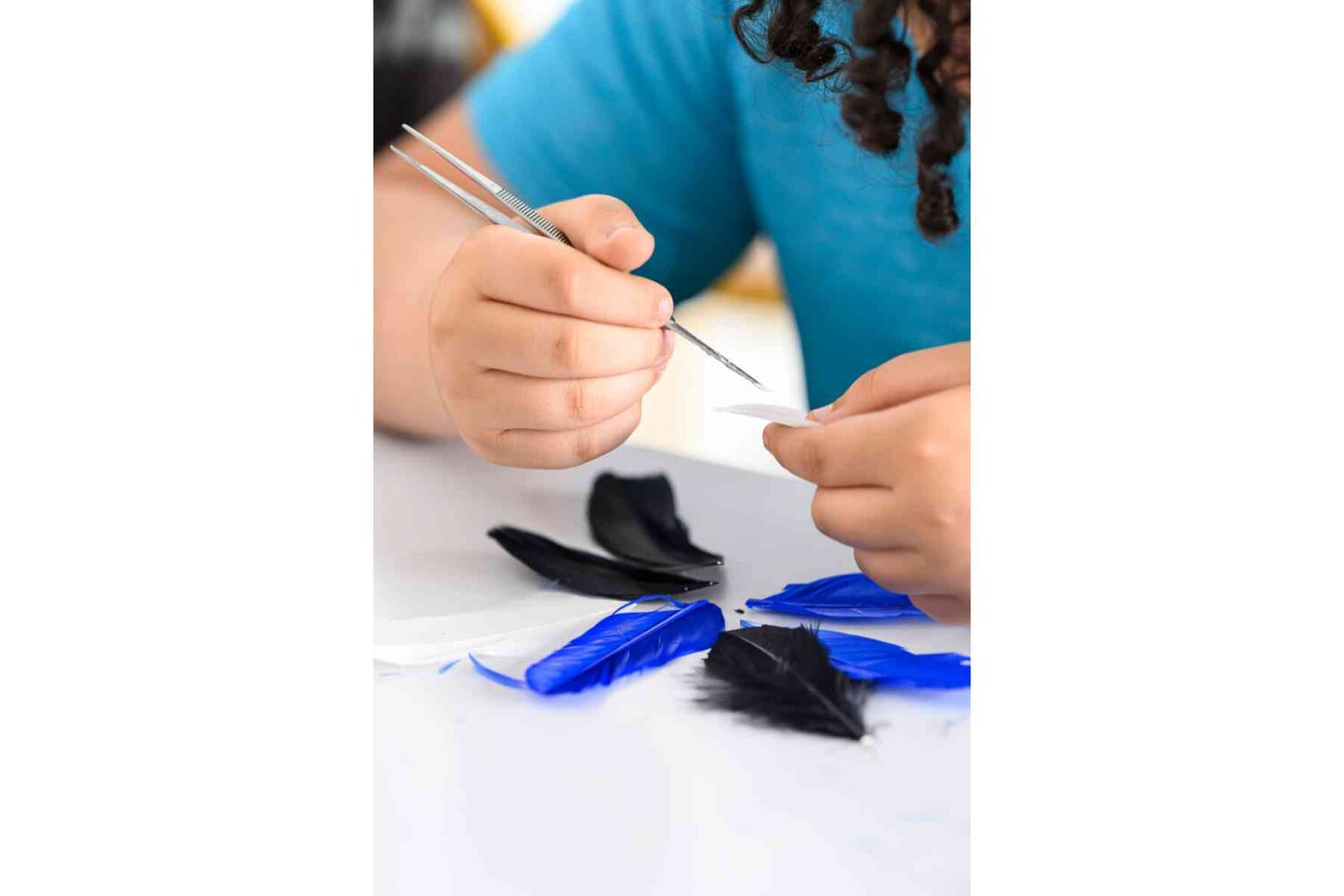 © Alex Gallosi - De l'or dans les mains">
"We always work with the ecosystem, in particular the economic players in the sectors, with whom we forge partnerships", explains the founder of De l'or dans les mains. In the clothing sector, the association began working in 2025 with the Maison du Savoir Faire et de la Design (MSFC)."Together, we put together emblematic project sheets and, thanks to their mapping of garment making workshops in France, the MSFC helps us, along with the Groupement de la Fabrication Française (GFF), to identify workshops close to the colleges where we intervene", explains Gabrielle, very pleased with this partnership. The association also spreads the word among young people via the "Savoir pour Faire" campaign.
This awareness-raising work has proved its worth among the 10,000 young people already benefiting from the program since its design in 2001. While the association is aimed at an age group, whatever the level of the pupils, its founder points out that "those at ease in an academic career discover that you can couple textbooks with maths, while others, struggling in the traditional fundamentals, will show themselves to be fulfilled and talented during these workshops. Their outlook, and that of their teachers, will change". She regrets that today, "our educational system sorts and classifies on a single form of intelligence."
Awareness of manual abilities
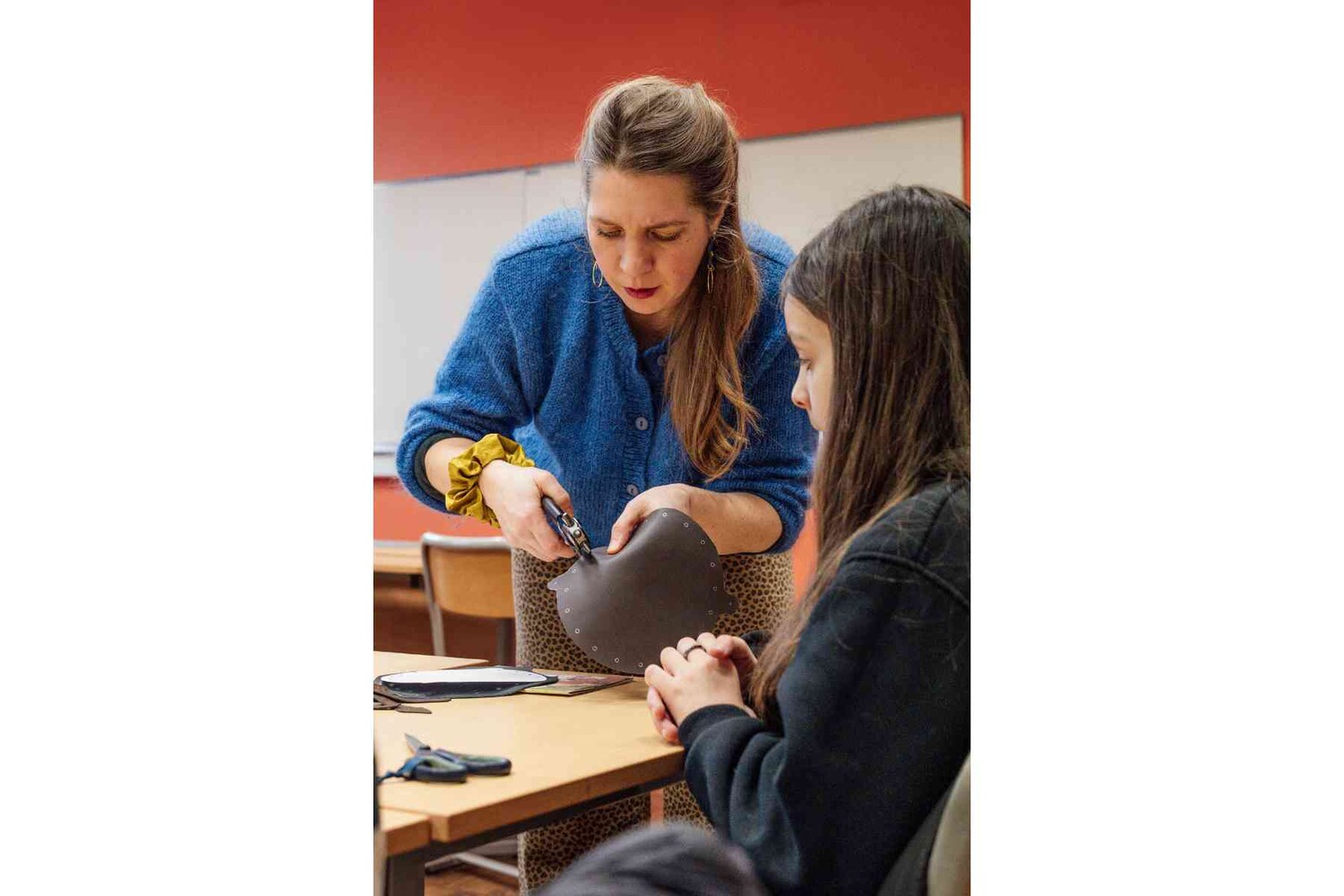 Ateliers at College Camille Saint-Saëns, © Pauline Declercq Atlin Créations">
"The students are proud at the end of these workshops, from which they leave with a small object they have made, she adds. They become aware of their manual skills in a society that is very exposed to screens, where we don't make them work enough on this dimension". Others fall in love with a profession at first sight, and these workshops serve as a trigger to join a technical training course. Proof of the program's success: 95% of schools renew their partnership. Convinced, some teachers ask to go even further and, for example, open a sewing option in the fourth grade. The association then provides them with craftsmen who can give this training.
"Overall, the impact of our program on the perception of manual professions by students and teachers is significant. They see that it takes intelligence to be a craftsman and that the hand is an extension of thought and creativity. The testimonies of craftsmen also help to break down pay and gender stereotypes, such as "sewing is only for girls" or the idea that these are not modern professions and that they will disappear", Gabrielle points out.
She, for her part, is convinced "that hand professions are the professions of tomorrow". Against a dual backdrop of "ever-frenzied consumption of clothing" and "dwindling resources", she believes it is vital to "learn to care for and repair our objects" and to take "the problem head-on". And to call on public authorities to put technical and manual teaching back into schools.
National goal
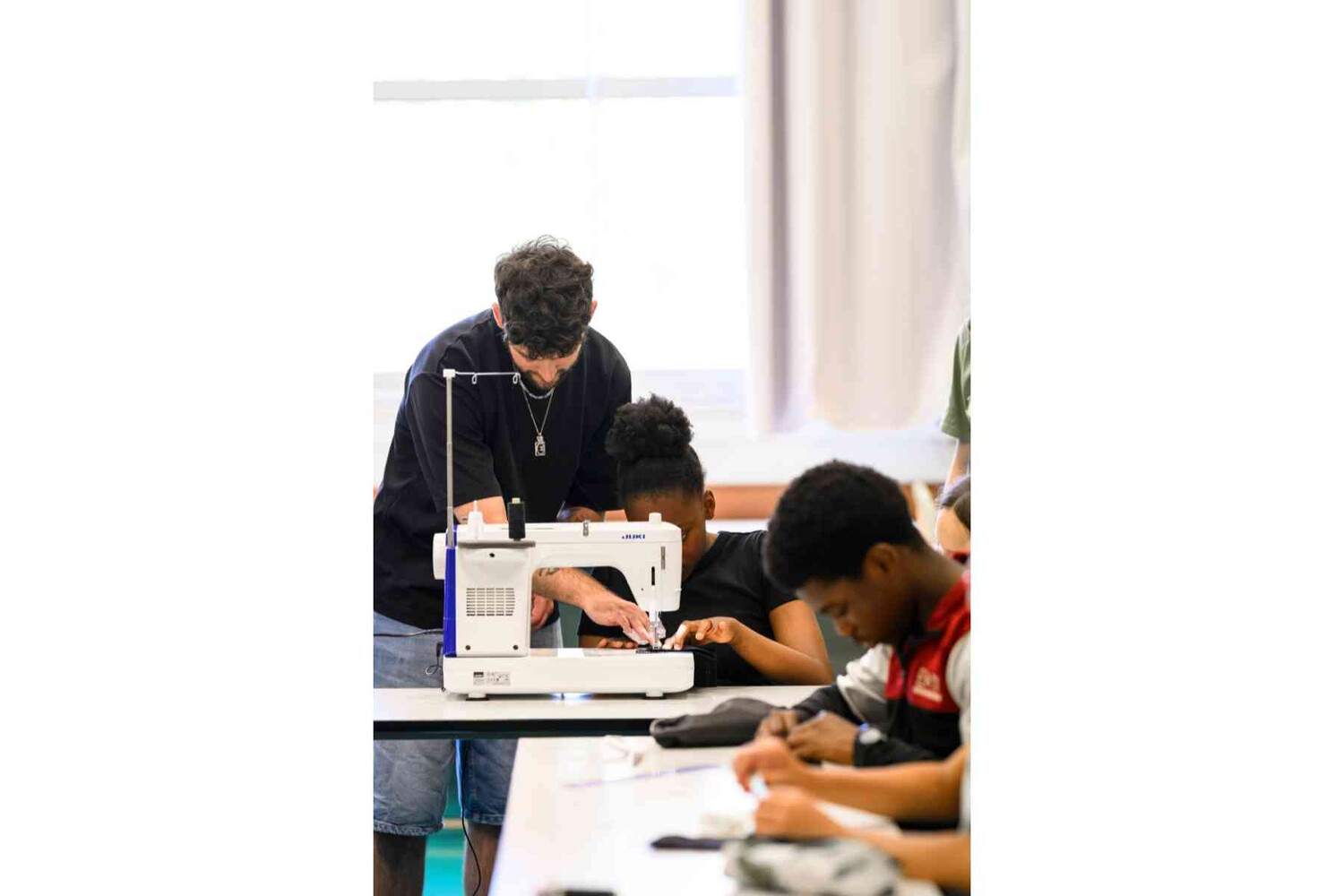 © Alex Gallosi - De l'or dans les mains">
Via its media presence and involvement in the co-construction of public policies (Gabrielle Légeret was commissioned to lead the youth section of the Plan Métiers d'art), De l'or dans les mains aims to amplify the impact of its actions beyond the direct beneficiaries of its programs. To better measure the effects of these programs on young people's orientation, learning and well-being, the organization has taken on a doctoral student doing her thesis on practical and manual teaching in OECD countries. "Two-thirds of European countries that have reinstated or maintained these programs are generally well positioned in the Pisa rankings (Programme for International Student Assessment). In fact, the top European country in the ranking is Estonia, with one weekly manual practice lesson and 45% fewer core lessons!", Gabrielle points out.
Determined, her association now wants to "change scale". By 2030, De l'or dans les mains aims to be present in around 100 middle schools with nationwide coverage and an annual rate of 10,000 young people involved. "It's not just a question of having more middle schools, however, observes the director, but also of working hand in hand with teachers, the economic world and public authorities to collectively move the lines and put the textbook back at the heart of teaching."
In any case, the textile-clothing sector will be following this inspiring initiative with interest, as it awakens new professional prospects for the younger generations...