Laulhère: The History of the French Beret as a Material for the Future
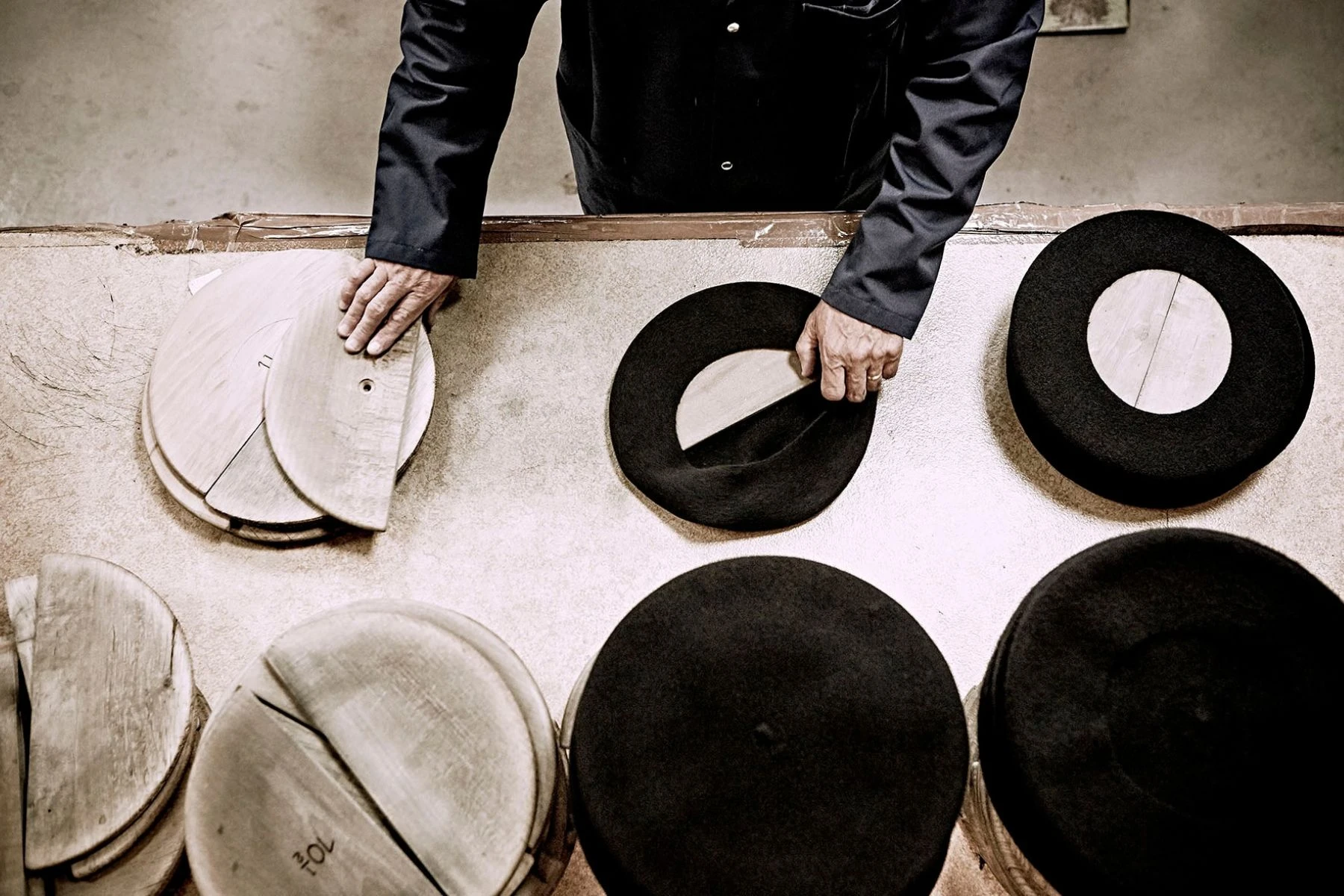
In Oloron-Sainte-Marie in the Pyrenees, Laulhère has been the home of French beret manufacturing since 1840. Knitting, fulling, dyeing, shaping, and garment making are all carried out in a single workshop, where nearly 50 people keep these now-rare savoir-doigts alive under the direction of Rosabelle Forzy.
Behind his iconic product, Laulhère has mastered a broader profession: that of “shaped felt”, at the intersection of knits, finishing, and garment making. A wealth of technical expertise that the company now applies to its collections, its productions for the greatest luxury Houses, and the military market, all while exploring new products and materials.
A head covering that has become a true fashion accessory
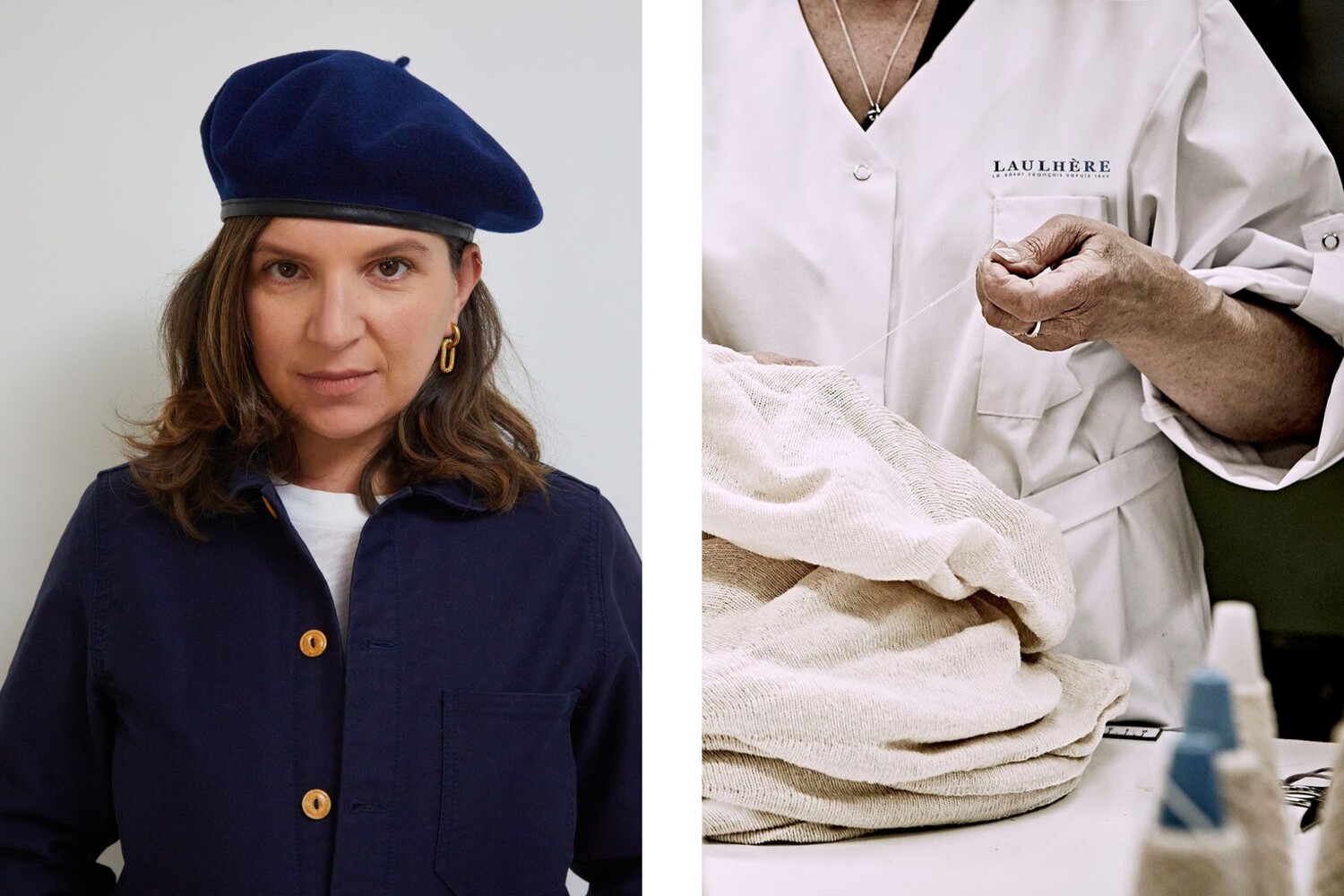
Laulhère’s industrial history began in 1790, before the beret made its way into the workshops in 1840. Originally, this headwear was closely tied to the Pyrenees region and its shepherds. Over the decades, it gradually left the mountains, took on a more feminine character, and became, in turn, a popular, military, and artistic accessory, as well as a fashion item.
“It’s a product steeped in history. Che Guevara, Picasso, women’s emancipation in cinema… The beret simply accentuates the personality of the person wearing it”, summarizes Rosabelle Forzy. After the beret’s heyday, which lasted until the 1950s, the company—like much of the French textile industry—faced offshoring and competition from Asia. Over the past fifteen years or so, the trend has reversed thanks to new investments and a policy of preserving traditional savoir-faire.
When she arrived eleven years ago, Rosabelle Forzy was struck by the disconnect between the beret’s symbolic power and the reality of its production: “I found it absurd that such an iconic product was no longer made in France—but rather manufactured abroad only to be resold in France,”” she exclaims. Today, Laulhère operates a single workshop for two brands. First, Laulhère, focused on fashion accessories, and Plein Ciel, dedicated to the military market. The company works with several armed forces and also produces for the greatest luxury Houses.
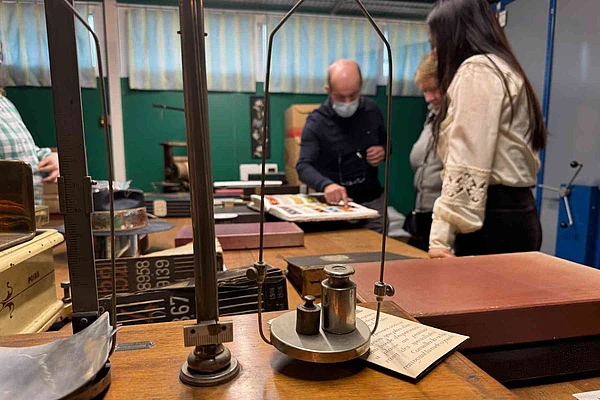
At the same time, its history inspires its own collections. Vintage patches, patterns, shapes, and molds are regularly drawn from the archives to be reinterpreted. “We are the historical guardians of this savoir-faire,”” emphasizes the CEO. This heritage therefore does not preclude either fashion design or product evolution.
From knitwear to felt: a collective mastery
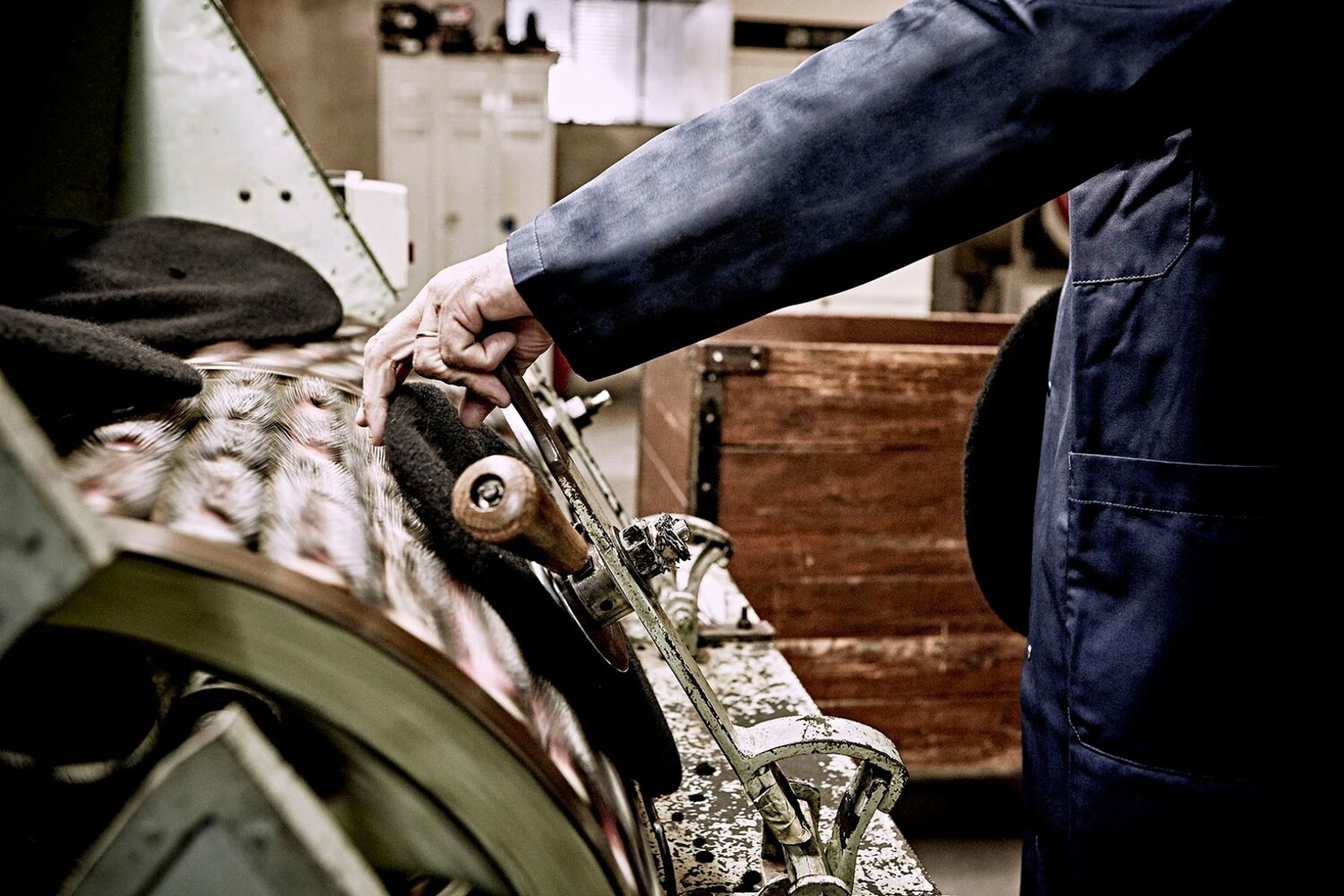
The key stages in the production of the beret are carried out in separate workshops. The beret-making process begins with knitting. Although the machines are now automated, they still require human programming, adjustments, and supervision. The knitted piece then undergoes Laulhère’s signature process: fulling.
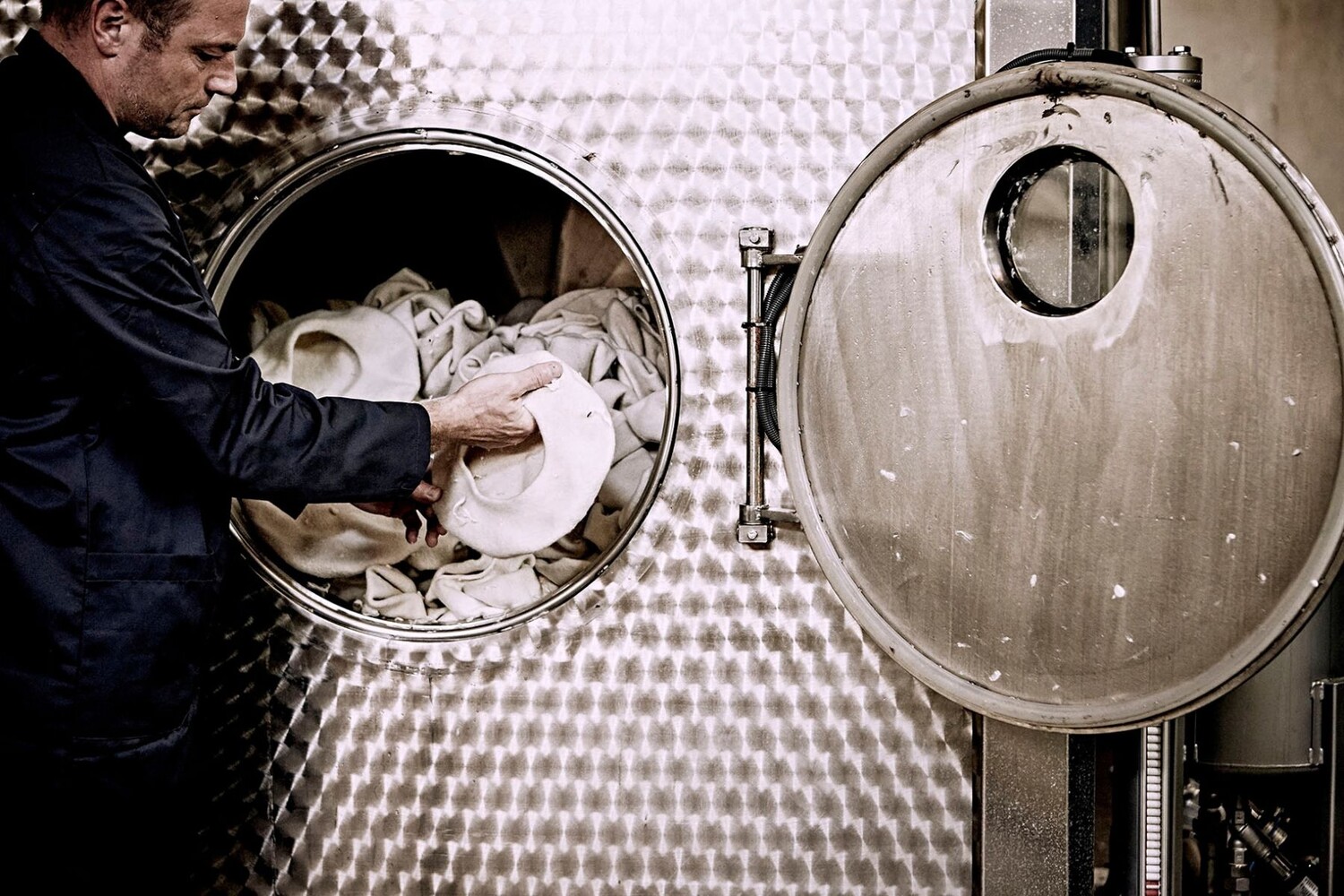
Through the combined action of water, soap, heat, and friction, the knits gradually tighten to become a dense, durable felt. “For me, the key step is fulling. It’s the magical step—the one that makes it a Laulhère design,”she says.
This density is therefore part of Laulhère’s signature; more wool is used to create a fabric that holds its shape, is durable, and doesn’t tear. Each beret is weighed and its weight per square meter is checked. After fulling comes dyeing, which is also done in the workshop, where the colors are developed in-house.
While still damp, the felt is then shaped on molds before going into the oven. Dyeing processes are also carried out in the workshop.
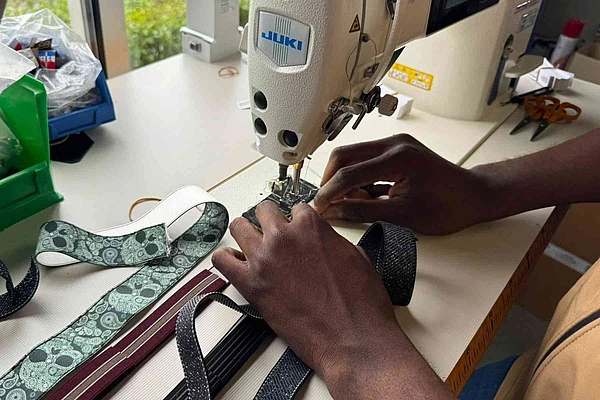
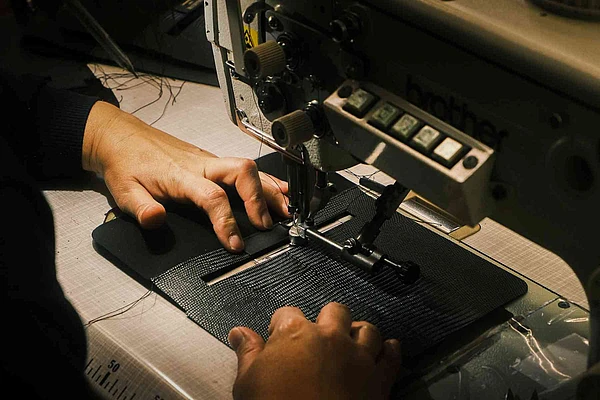
Some molds are new, while others were rediscovered in the archives. Vintage machinery and modern equipment thus work side by side throughout the process, while a significant portion of the operations remains manual—such as scraping, finishing, attaching badges, leatherwork, and stitching.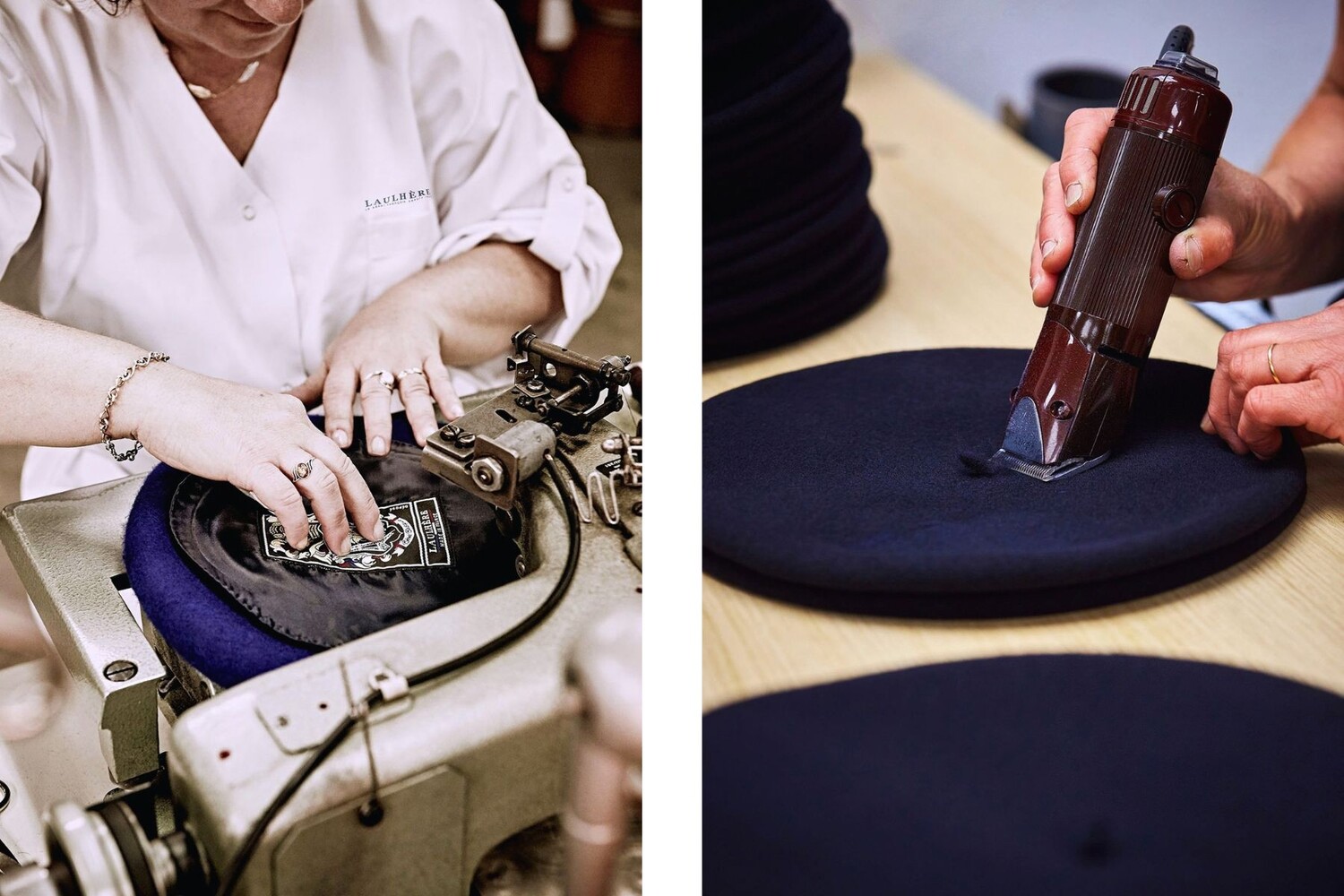
The garment making process completes the transformation: “The traditional beret has a felt base, a satin lining, a historic crest, a pin from Laulhère, and a leather headband with the bouffette,”” explains the executive. Every item that leaves the workshop undergoes an inspection to verify its compliance before moving on to the next stage.
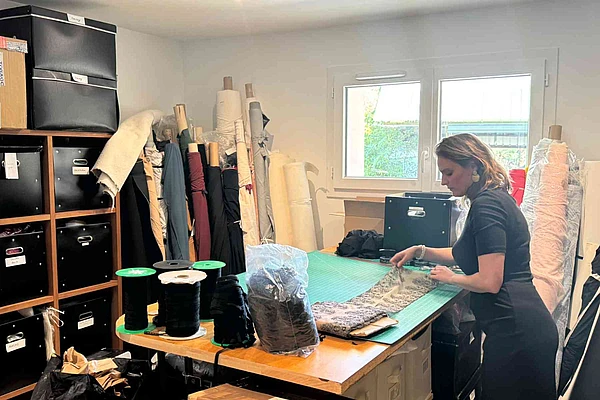
This expertise now allows us to go far beyond the beret. Caps, winter hats, balaclavas, and even shaped felt bags are gradually expanding the workshop’s range of expression. Laulhère is also experimenting, driven by “brands that come to us and challenge us. We know wool, but we might also work with cashmere or cotton—some techniques we’ve mastered, others we’re learning or developing,”she explains. Innovation thus relies on the full range of skills available among the knitters, fullers, dyers, garment makers, maintenance staff, and production workers—all of whom contribute to new developments. In this way, those who make the products are also the ones who experiment!
Knowledge Transfer, Responsibility, and the Long Term
This organization relies on skills that, for many, cannot be learned in school. They are passed down directly on the shop floor, and of Laulhère’s approximately 40 employees, 25 to 30 work in production, with a mix of experienced employees and younger generations.
Recent retirements—including some employees who had been with the company for over forty years—have heightened this challenge. “We’ve had a whole wave of retirements that has forced us to organize programs for knowledge transfer in the domaine du savoir-faire; we’re setting up mentoring pairs and skills inventories to ensure the transfer of knowledge and the continuity of production,” explains Rosabelle Forzy.
Learning the trade takes time, as it takes several months to master certain dyeing processes, about a year to become independent in knitting programming, and sometimes several years for certain stitching techniques. Mentoring, versatility, and regularly hosting interns and work-study students help prepare the next generation, but passing on the craft goes beyond mere technical skill. In fact, according to Rosabelle Forzy, “Someone who doesn’t have this sensitivity to the material, to savoir-faire, and to beauty wouldn’t be able to stay long. You also need the ability to innovate and question yourself”.
This pursuit of continuity is accompanied by a reflection on the impact of production. Laulhère focuses in particular on the traceability of its materials, the development of French wool, and the control of its dyeing processes. The water used in the workshop is collected and reprocessed as part of a system that is regularly monitored and implemented in collaboration with City Hall in April 2022. Made-to-order production helps limit inventory. Items with defects are not automatically discarded; for example, a beret with a problem during the dyeing process can be set aside and later re-dyed black, ensuring that no berets are thrown away.
These commitments, however, face the economic challenges of manufacturing in France. “The end customer wants ‘Made in France’ but isn’t necessarily willing to pay for it”, notes Rosabelle Forzy. This tension drives Laulhère to focus on what cannot be easily replicated elsewhere: quality, innovation, and the richness of its savoir-faire. In the face of an ever-faster-paced fashion industry, Laulhère champions the time required for craftsmanship, apprenticeship, and the product’s longevity. Some customers still bring in their grandfather’s beret to have it restored or to find a similar one. A form of tradition that extends beyond the workshop’s walls.
“We’re trying to rewrite 180 years of history without compromising our values. We have to remember why we do this, what we bring to the market, and why we’re here. Reinventing ourselves to remain relevant in society”, concludes Rosabelle Forzy.
To learn more, check out the Laulhère company profile.