Grand Prix of Ville de Paris: A Valuable Launchpad for Designers
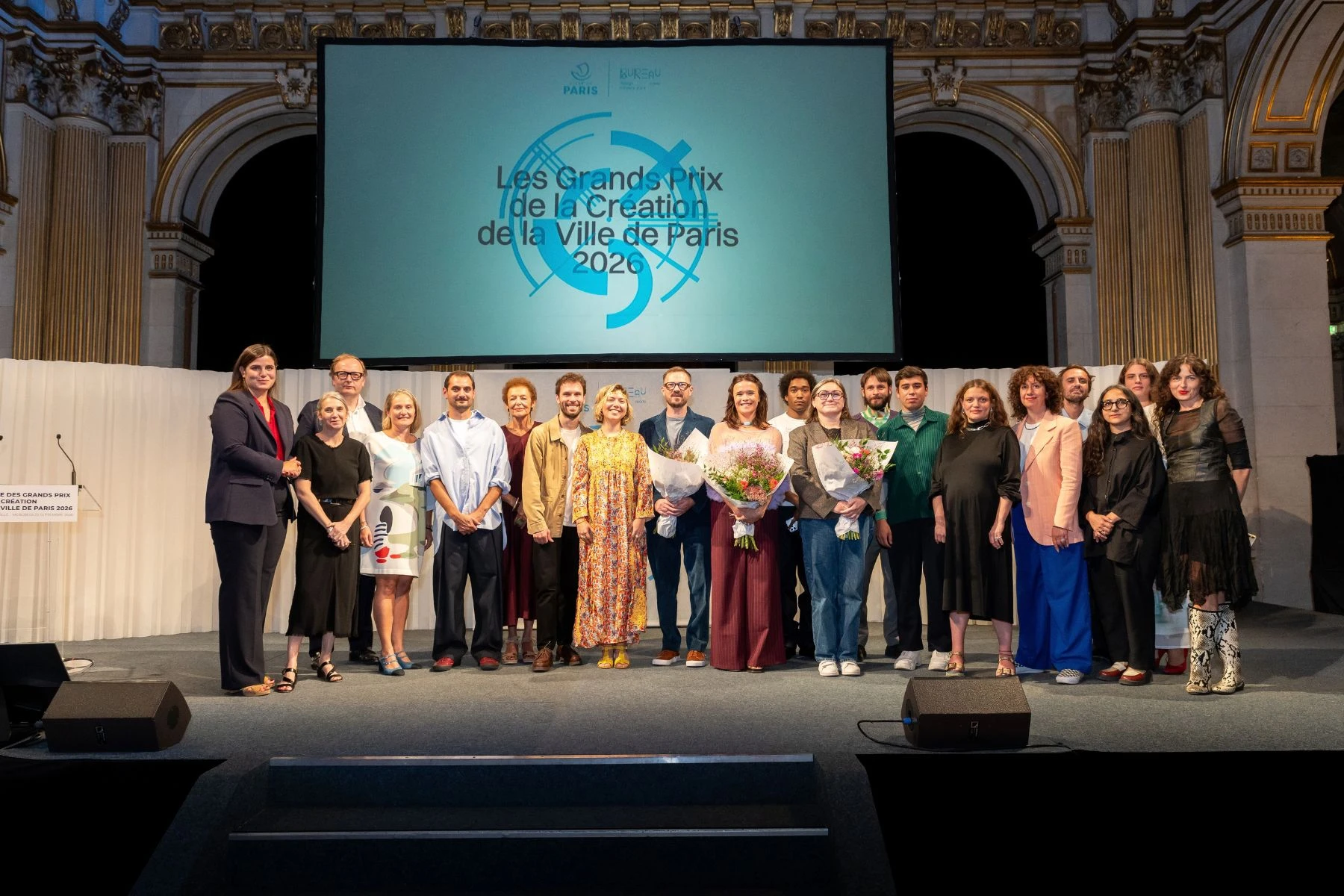
The 2026 edition of the City of Paris Grand Prix honors eight winners in the fields of design, fashion, and professions, who will receive a prize of 18,000 euros as well as exclusive opportunities to collaborate with partners. This provided an opportunity for Anouch Toranian, deputy to the capital’s new mayor in charge of commerce, crafts, and the liberal professions, to underscore the city’s continued commitment to design despite budgetary constraints.
They are among the most widely covered events of the new school year: On September 23, the City of Paris’s Grands Prix de Design were awarded.
Established in 1993—originally with a single winner—these awards have recognized three categories since 2003: design, fashion, and fine crafts—with two winners, one emerging and one established, in each discipline. Eight designers are thus honored through three Revelation Awards, three Commitment Awards, one Fashion Accessories Award, and one Jewelry Accessories Award.
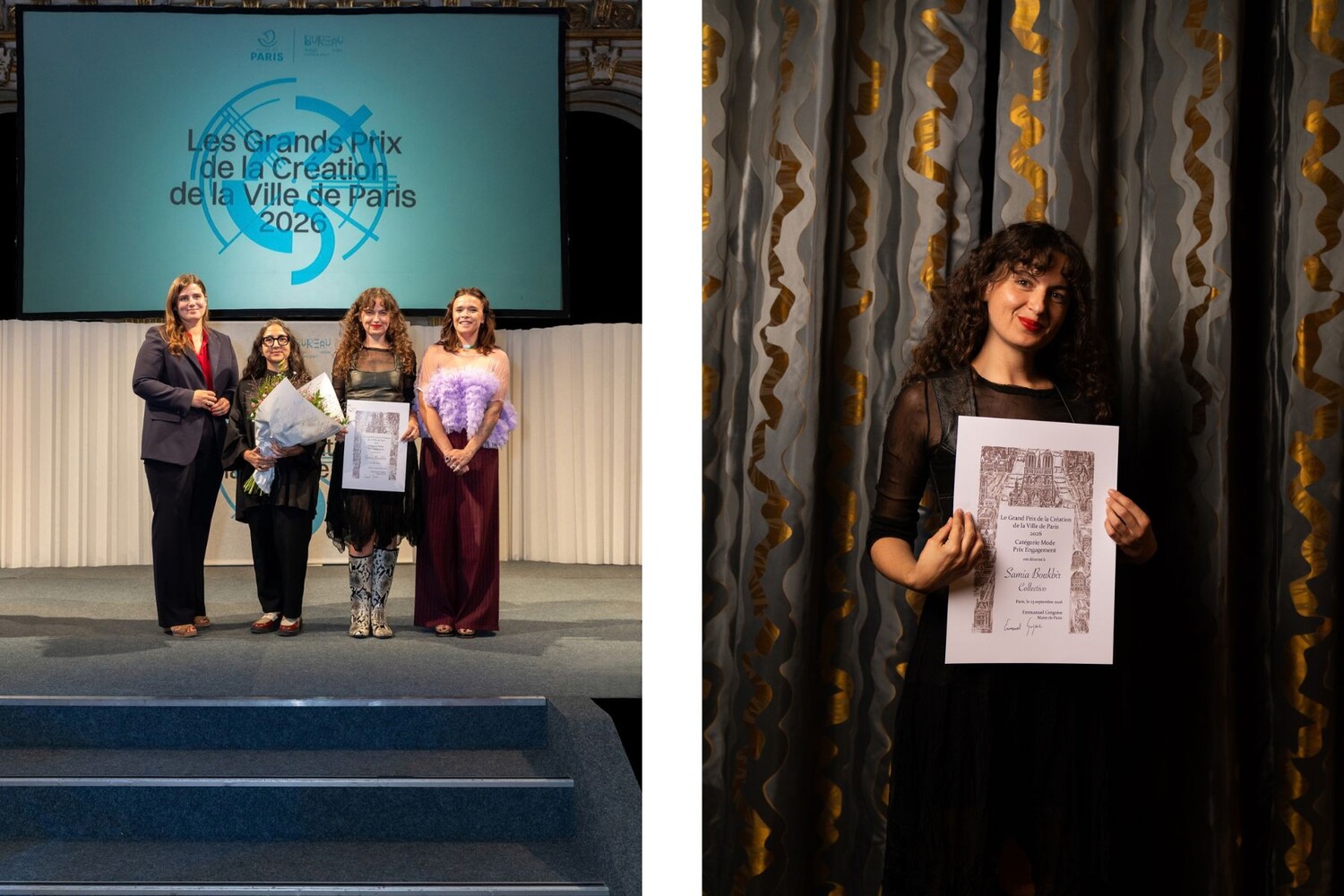
In fashion, following in the footsteps of Sakina M’Sa (2007), Yiqing Yin, and Julien Fournié (2009), Christine Phung (2011), and Valentine Gauthier (2019), the 2026 edition honored Anthony Calydon, winner of the Revelation Award, and Samia Boukir (head of Collectivo, a collective dedicated to upcycled fashion), the Engagement Prize.
"Since the brand’s official launch in early 2024, we haven’t received any grants, explains Anthony Calydon. Under these conditions, it’s difficult to make a living from our work and uphold our standards of quality. This award will allow us to grow while staying on this path and will help us greatly: to expand the team and the workshop, avoid relocating, and continue sewing.”
For Samia Boukbir (Collectivo), who just opened a 100 m² studio at the Saint-Ouen Flea Market on September 24 to host the emerging designers with whom her collective collaborates, “this award comes at just the right time”. “We’ll be able to boost our growth and support all our projects, promote them, and enrich them,”she says with delight.
““The primary goal of the Grands Prix is to provide financial support for design,” explains Anouch Toranian, Deputy Mayor of Paris in charge of retail,crafts, and the liberal professions. Each winner receives a grant of 18,000 euros, with 8,000 euros contributed by the City of Paris and the remainder by private partners through the Fonds pour les Ateliers de Paris: the French Federation of Women’s Ready-to-Wear, Au-Delà du Cuir, Francéclat, the Galeries Lafayette Group, ESMOD, Roger Pradier, Brossier Saderne, Victoire and Première Vision. For designers who often face financial strain, these "€18,000 will enable them to purchase machinery, hire apprentices or interns, and fulfill orders."
Recognition from the fashion ecosystem
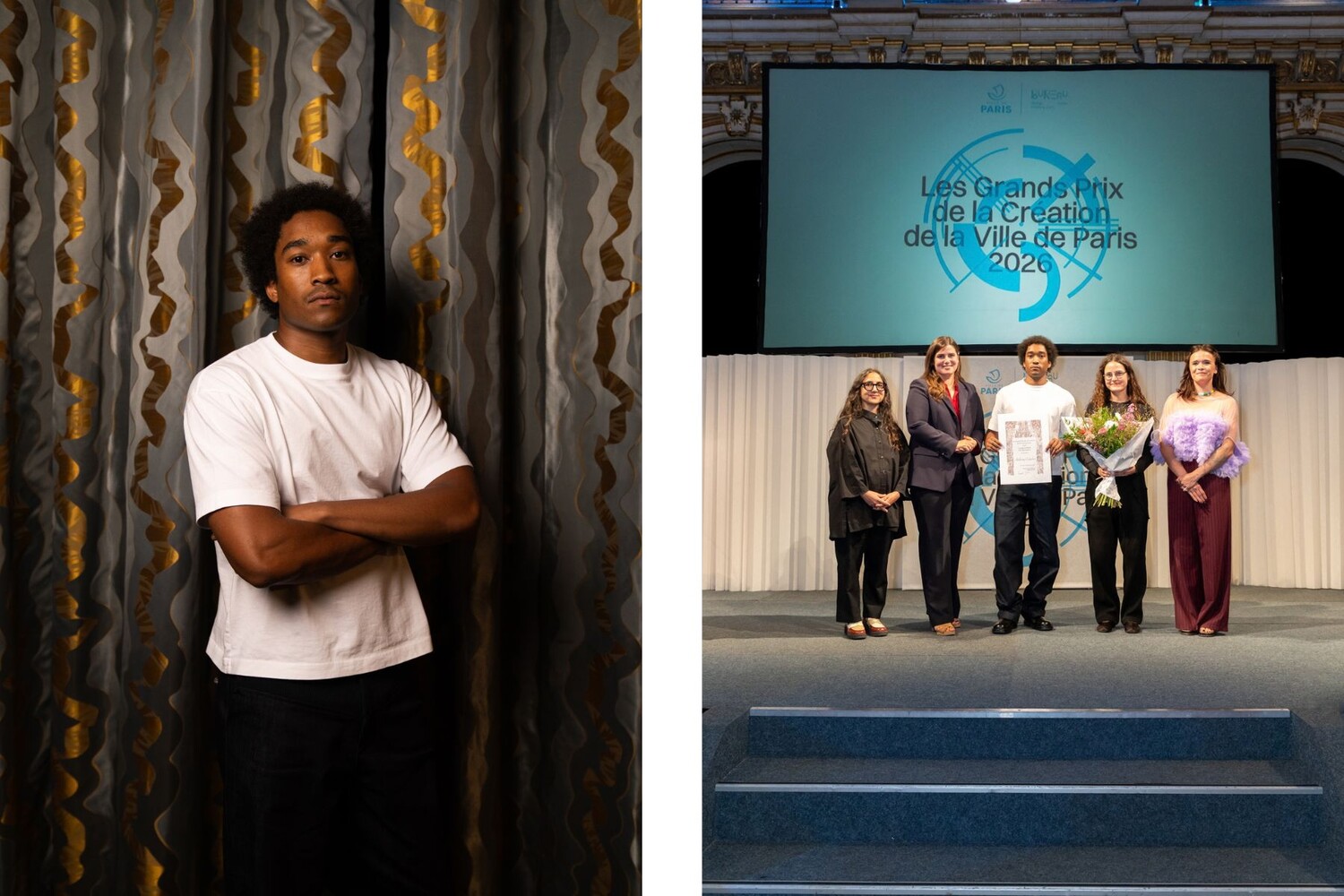 City of Paris Grand Prix for Creation 2026 © Nicolas Brulez">
But for Anouch Toranian, 'more than just a nice check', the Grands Prix’s greatest value lies in recognition from the creative ecosystem and access to Paris’s exceptional network of contacts. Winners receive support from the Awards’ media and partner organizations (Première Classe, Paris Design Week, Home&Objet, Alliance France Design, the Palais Galliera, Campus MaNa, Ipocamp, Intramuros, Fashion Network, AD Magazine, La Gazette Drouot, GOODMOODS, Collectible, Gestes, MODEM, Silhouette, Eyes on Talents, FORMAE, IDEAT, Beau Magazine, Procédés Chénel and Wilde). "This public-private partnership boosts designers’ visibility, particularly through the trade press and trade shows, but also their sales and collaboration opportunities…”. The deputy director then gave a concrete example: the provision, during the last Paris Design Week, of exhibition space and a showcase for the Grand Prix in the Design category, DACH&ZEPHYR by Galeries Lafayette on the Champs-Élysées.
To illustrate the decisive role of the Grands Prix for designers and how they complement other, more generously endowed competitions (ANDAM, etc.), Anouch Toranian cites this year’s entry by a master artisan in heliogravure. "Even with this highest honor, rarely bestowed upon her peers, it was still worthwhile for her to apply for the Grands Prix!"
Through this initiative, Paris also aims to "promote the transmission of savoir-faire across generations, against the backdrop of a shortage of new entrants to the trades". Its partnership with ESMOD aligns with this goal. On this topic, the deputy mayor highlights two trends: the aging of artisans and the shift toward retraining in the skilled professions "at a time when artificial intelligence is booming and will eliminate many jobs."
The capital’s proactive role
 City of Paris Grand Prizes for Design 2026 © Nicolas Brulez">
Another objective of the city—particularly through its involvement in Paris Good Fashion—is to support, via the Engagement Awards, those who are driving innovation in design with the same ambition as the city itself: to tackle environmental and/or social challenges.Finally, by showcasing all these talents, the aim is to "to showcase Paris’s political role in promoting design, particularly on the international stage, as a capital not only of fashion but also of savoir-faire and professions."
More generally, Anouch Toranian emphasizes the commitment of the new mayor of Paris, Emmanuel Grégoire, to extend "the capital’s proactive role" in this area. She herself “does not believe this is the case for all major cities, metropolitan areas, or regions.” This is a challenge given the context of shrinking budgets (fewer state grants, fewer commercial transactions, etc.) as well as changing consumption patterns and the globalization of savoir-faire and products.
Transfer of savoir-faire
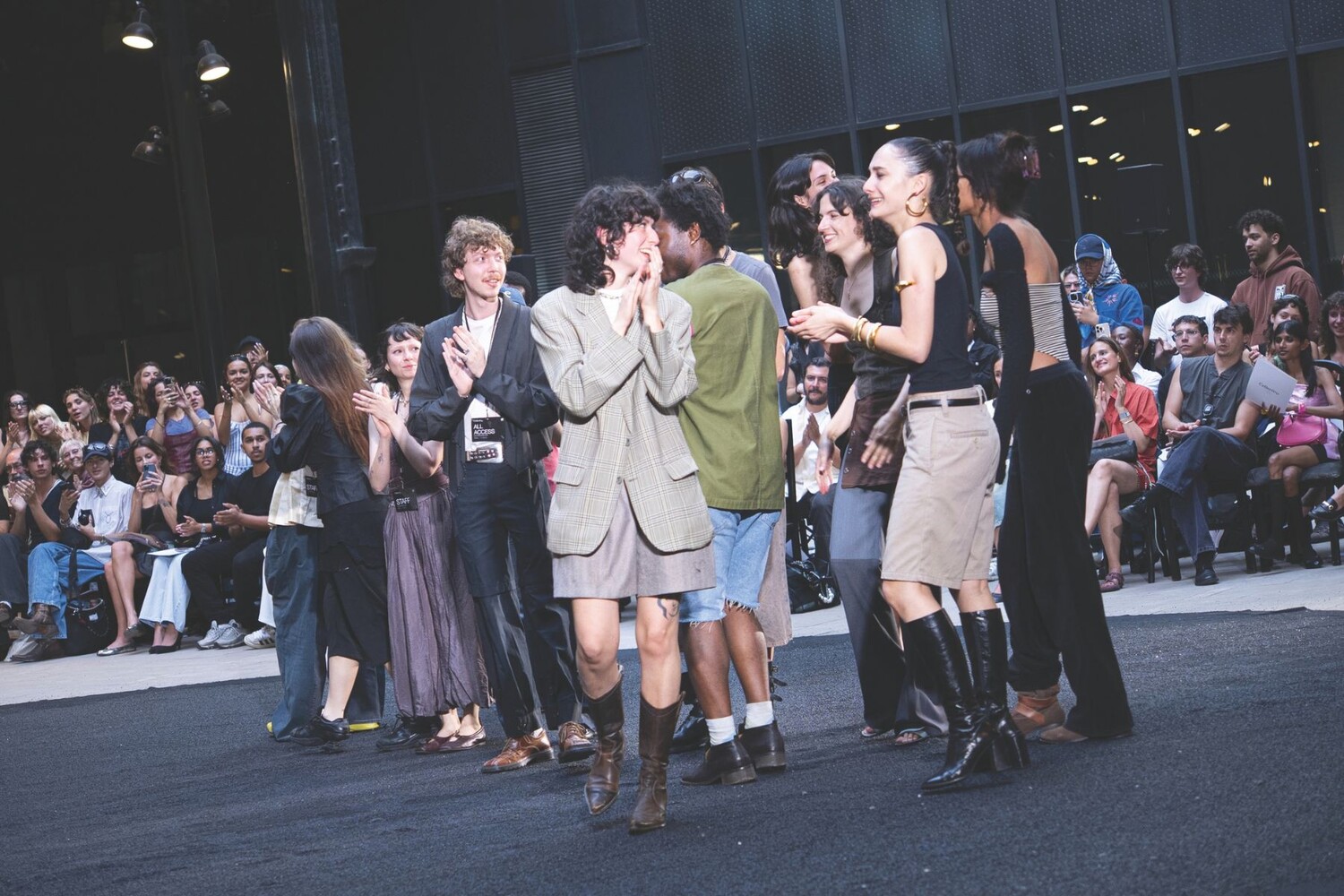
"Our work is very cross-cutting, but within my department, we devote the most energy to supporting creators and passing on savoir-faire,", Anouch Toranian further emphasizes. To effectively champion this savoir-faire—which constitutes "the wealth of Paris and France"— the capital maintains close ties with major luxury groups to draw inspiration from their own initiatives. After meeting with LVMH early in her term to discuss professions of excellence, Anouch Toranian plans to meet soon with Chanel (19M) and Hermès.
"“We want to go even further with these groups, but we’re also very attentive to small Parisian designers facing daily challenges, so we can support them and facilitate their efforts,”explains Anouch Toranian. The Paris Commerce initiative, for example, provides them with assistance regarding real estate (provision of space, etc.). The city also promotes them through the “Made in Paris” label, during Fashion Week, at exhibitions in museums such as the Palais Galliera, through the City Hall boutique, and via other initiatives. Led by the Office of Design, Fashion, and Arts and Crafts (BDMMA), the Les Ateliers de Paris incubator offers workspace and a support program for emerging design, fashion, and arts and crafts businesses. Finally, in terms of sustainable development, Anouch Toranian works closely with the deputy mayors in charge of the Social and Solidarity Economy (Amina Bouri) and of sanitation, waste management, and the circular economy (Pierre Lombard), who are actively involved in recycling and upcycling initiatives.
Growing Challenges
Support from the capital is all the more vital for designers facing growing challenges. Starting with "changes in fashion trends, whether positive or negative (e-commerce, fast fashion, etc.)", observes Anouch Toranian. While the city has taken a strong stance against the abuses of fast fashion (as seen in the BHV/Shein case), the deputy mayor admits that "we need to be able to support designers in the face of the purchasing power crisis. Not everyone can afford a 200-euro handbag!". The City also plans to help them cope with the soaring "costs of raw materials, which have a major impact on prices", the "costs weighing on their economic activity", "the transition regarding artificial intelligence."
All these issues are prompting Paris to take action like never before. “It will be our role to find more sponsors to support us in terms of funding and visibility for creators,” says the deputy mayor, noting that the capital’s intention is “to involve them ” in its public policies. This task has been entrusted to the BDMMA, whose outstanding work in seeking out partners Anouch Toranian praises, calling it “the true added value of the Grands Prix” The mayor has already announced, during the last Paris Design Week, the design of new competitions for designers, some of whom have studied at the Ateliers de Paris or are winners of the Grands Prix. An example that could be followed in the fashion industry…
In conclusion, the deputy mayor highlights the "virtuous cycle" of the Grand Prix de Design. The goal is not only to support designers and artisans through financial assistance, media exposure, and help in passing on savoir-faire, but also to ensure that Paris remains a vibrant, creative, sustainable, and productive city—far beyond being merely a tourist attraction…