Second Public Consultation on Sustainable Fashion: New Expectations
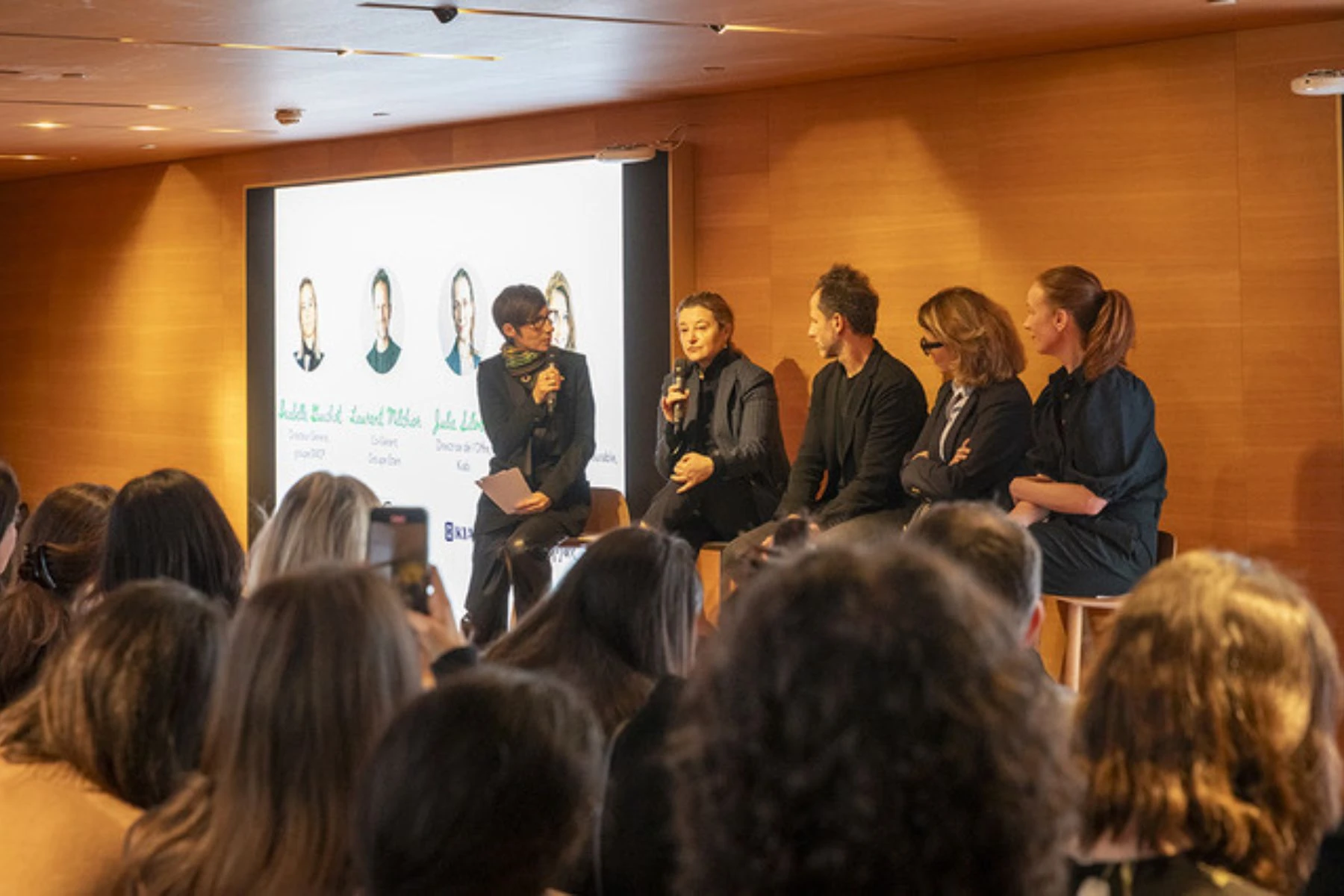
Five years after the first survey, this second survey—conducted once again in France, as well as in Italy, the United States, and the United Kingdom—reveals a shift in the concerns of the consumers surveyed. This time, the demand for information and transparency ranks first, even ahead of the circular economy.
Sustainable fashion continues to capture consumers' attention. Five years after the first public consultation in France, its organizers—namely the Paris Good Fashion association and the participatory platform Make.org, supported by partners (Etam, Eram Group, Kiabi, Lacoste, Printemps, Galeries Lafayette, Le Bon Marché, SMCP, Karla Otto, Grazia, The Good Goods, Fashion Network, City of Paris), repeated the initiative from February 19 to April 16. The general public was able to share their views online in response to the open-ended question “How can we inspire people to dress in an ethical and more sustainable way?”. New this year: in addition to French residents, the consultation was also open to Italians, Britons, and New Yorkers. A total of 168,587 participants (the vast majority of whom—107,203—were from France, followed by Italy (32,124), the United States (17,761), and the United Kingdom (11,499)) submitted 1,680 proposals, garnering 481,156 votes. While women (82% of participants) and people aged 55 and older (52%) were the driving force, "engagement remains strong, showing that this topic continues to generate interest", emphasizes Isabelle Lefort, co-founder and executive director of Paris Good Fashion. In 2020, the question “How can we work together toward more responsible fashion?”, attracted 107,544 participants, 3,319 citizen proposals, and 467,733 votes.
Evolving Expectations
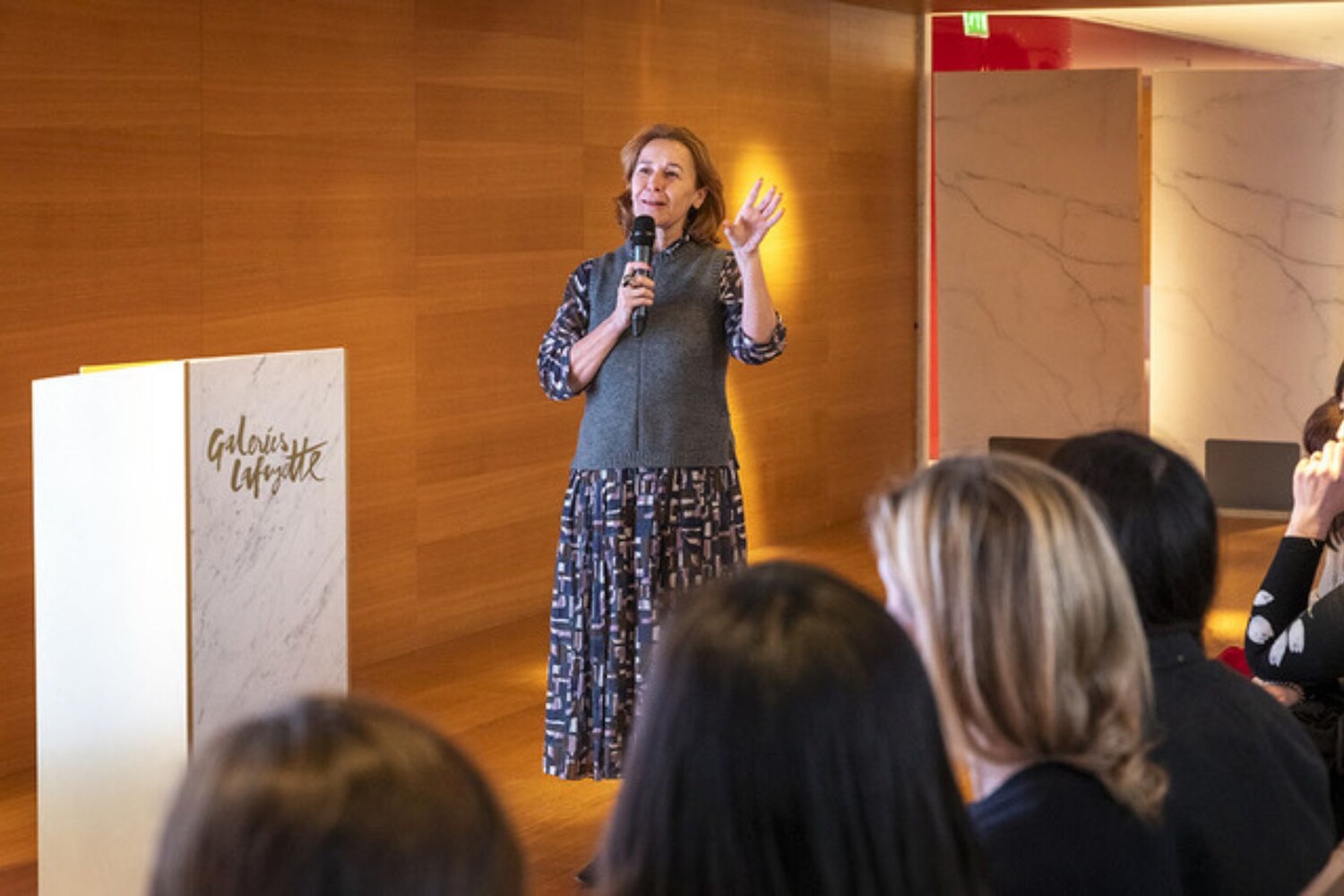 Isabelle Lefort, co-founder and executive director of Paris Good Fashion.">
Over the past five years, expectations have shifted. The dominant theme is no longer, as it was in 2020, circularity, but rather information, transparency, and education, with 284 proposals—31% of the total—compared to just 15% in 2020. In 2026, citizens want to be informed about the impacts of fashion (43%) and are demanding complete transparency regarding products (28%). “The first thing people tell us is: ‘We want to buy sustainable fashion, but we don’t understand any of it. It’s very complex; we can’t make sense of the technical terms, there’s greenwashing, and so on.” Consumers don’t want jargon—they want simple, reliable, and accessible information,”, says Isabelle Lefort.
With 219 responses (23.9% compared to 25% in 2020), the circular economy—now the second-biggest concern—has declined slightly but remains strong. While issues regarding packaging and unsold goods—which were very prominent in 2025—have virtually disappeared in 2026, evidence that the Agec law has now been fully integrated, proposals regarding the development of repair savoir-faire and services (36%), the widespread adoption and promotion of secondhand goods (24%), and the expansion of recycling and upcycling (23%) have gained momentum. Isabelle Lefort particularly highlights the rise of the topic of repair, linked to emotional sustainability.
This new consultation also reveals the rise of themes that were absent or marginal in 2020, such as slowing down the pace of fashion (127 proposals, or 13.9% of the total), the affordability of sustainable fashion (47, or 5%), and body diversity (9, or 1%). Behind this “genuine demand for reduced volume,” Isabelle Lefort notes “a sort of overdose, with a market saturated with identical offerings, always at lower prices but without value. This is linked to a tendency to condemn fast and ultra-fast fashion, as well as excessive promotions and relentless advertising…".
Natural Materials and Relocalization
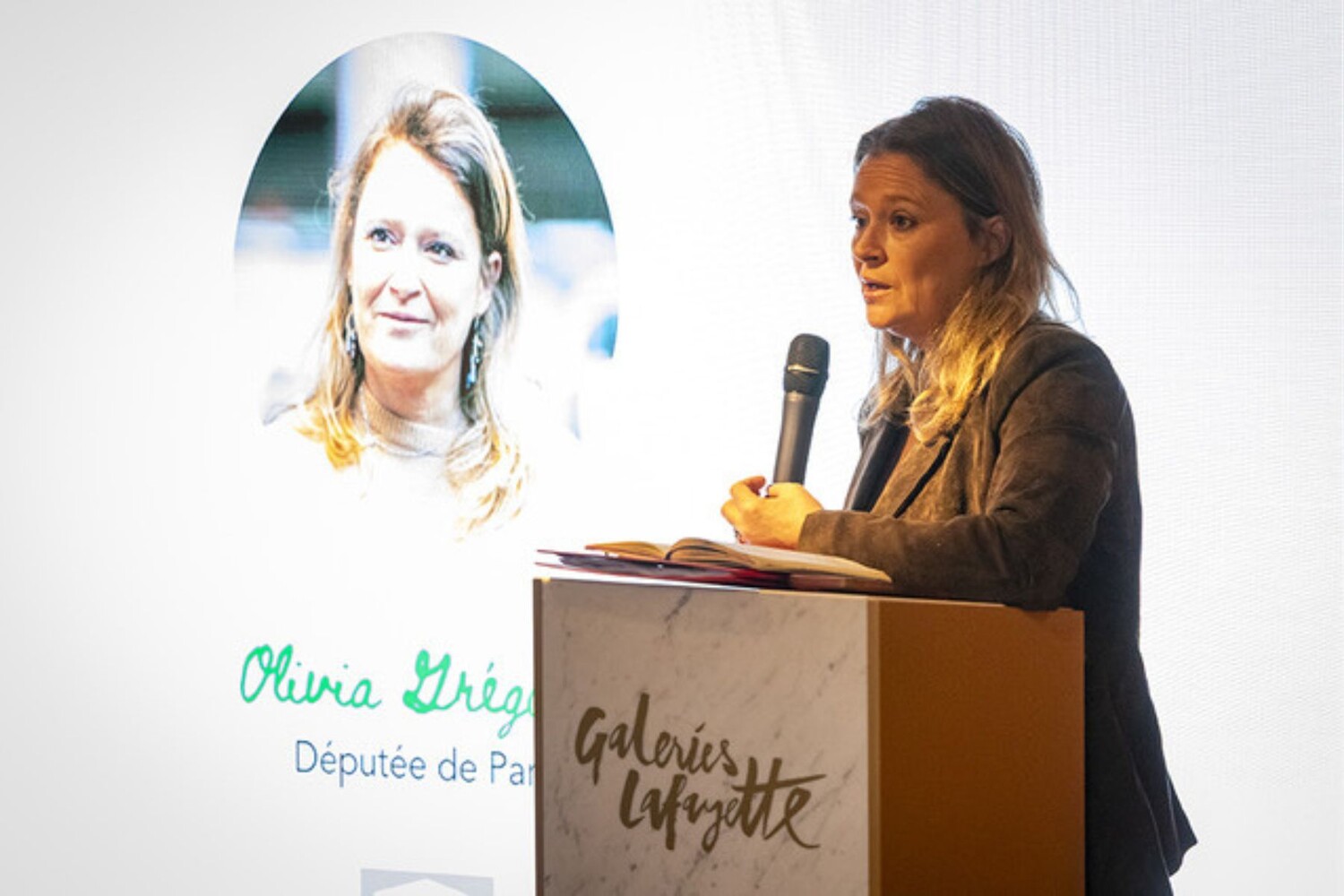 Olivia Grégoire, Member of Parliament for Paris">
Another issue that is gaining prominence is the topic of health, "now permeates all the discussions" with 38 consensus-based proposals related to raw materials and plastic. “Consumers are saying: My clothes shouldn’t be harmful to my health, contain toxic substances, or cause allergies…”, notes the director of Paris Good Fashion. And according to her, while the theme “Quality, Natural Materials, and Desirability”—concepts present in 2020 under the category “Materials and Processes” (then 18% of proposals), has dropped to 115 (12.6%), “there is still overwhelming support for more natural raw materials and less plastic, both in clothing and packaging.”
Relocalization (114 proposals, or 12.5%) remains a "consistent and strong" issue, "particularly in France, but with even more sovereignist and radical rhetoric."
Paradoxically, concerns regarding the guarantee of decent working conditions in the textile industry—particularly abroad—remained at the (low) 2020 level of 4%. Also surprising is “the desire to have clothing produced as close to home as possible, without necessarily considering manufacturing costs”. This surprise is compounded by another, according to Isabelle Lefort: “We expected the issue of purchasing power and overpriced fashion to be overwhelmingly dominant. However, that wasn’t the case.” “Admittedly, secondhand clothing—now accounting for more than 19% of the market, up from 5% in 2020—as well as fast and ultra-fast fashion have played a role,” she acknowledges. Nevertheless, one of the main takeaways from the survey, in her view, is that “consumers aren’t talking so much about sustainable fashion as they are about a return to quality fashion—fashion that makes sense and has value.”
She cites the inspiring examples of iconic brands such as Hermès, as well as Petit Bateau, Lacoste, Le Slip Français, Eram, and Kiabi (with its “Made in France” jeans, produced in an automated facility and sold for €35). These brands are thriving by relying (sometimes partially) on French manufacturing and savoir-faire. “Their products may cost more, but they’re high-quality and built to last. They have a real history and stand out from the rest.” This “return to highly meaningful, high-quality fashion rooted in savoir-faire”has also been evident at Fashion Weeks over the past three or four years… Conversely, Isabelle Lefort notes that while the Chinese brand Shein, a symbol of ultra-fast fashion, "has made a huge breakthrough and caused a lot of disruption in the market, its attempt to establish a physical presence has flopped, and its IPO has been complicated". Meanwhile, “brands like Kiabi, with prices that are sometimes comparable but more natural raw materials and carefully designed supply chains, are better aligned with consumer expectations.”
Manufacturers and Brands: Hand in Hand
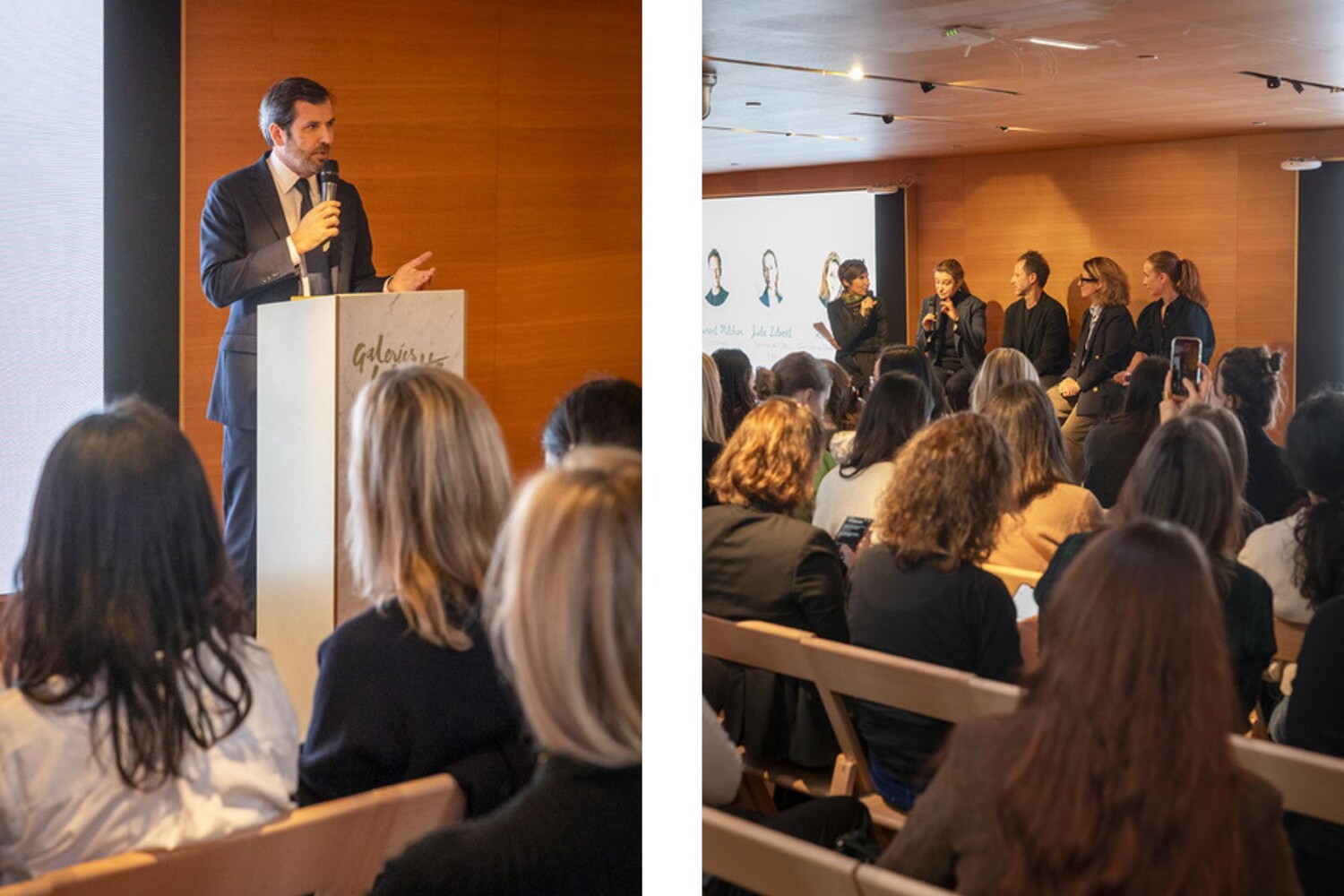
In light of this new consultation, Isabelle Lefort makes several recommendations to stakeholders in the French industry to align with market demands. She suggests "truly rework the product so that it is fairly priced and of high quality", and to "be as transparent as possible and offer consumers a guarantee that they will not be let down". She suggests communicating and explaining more effectively, “a real issue that we will try to tackle collectively”. To provide transparency without complexity, Isabelle Lefort calls for simplifying environmental labeling. She also places her hopes in the Digital Passport Product (DDP), expected to be rolled out in 2028–29 for the textile industry, to provide access to “information that is easy to understand”. For their part, “without resorting to greenwashing, brands should communicate more about what they’re doing right, their values, and the fact that, unlike others, they’ve never received a citation or warning regarding regulatory compliance…”.
Finally, Isabelle Lefort calls on manufacturers and brands "to work hand in hand". This is precisely the goal of the Maison du Savoir-Faire et de la Création (MSFC), which facilitates synergies between contract manufacturers and clients, particularly through its platform. “If consumers are demanding more ‘Made in France’ products, for a brand to be able to deliver on that, it requires competitiveness—working on the cut, the pattern, a better understanding of consumer expectations, and so on. However, generally speaking, neither manufacturers nor brands have all of these resources. This therefore requires dialogue.". She believes that there can no longer be a top-down approach to operations or decision-making, and that success can only be achieved collectively. This approach is at the heart of her organization, Paris Good Fashion, which brings together industry stakeholders around the cause of sustainable fashion…


