Manufacture de Clisson: a preserved heritage, a renewed vision
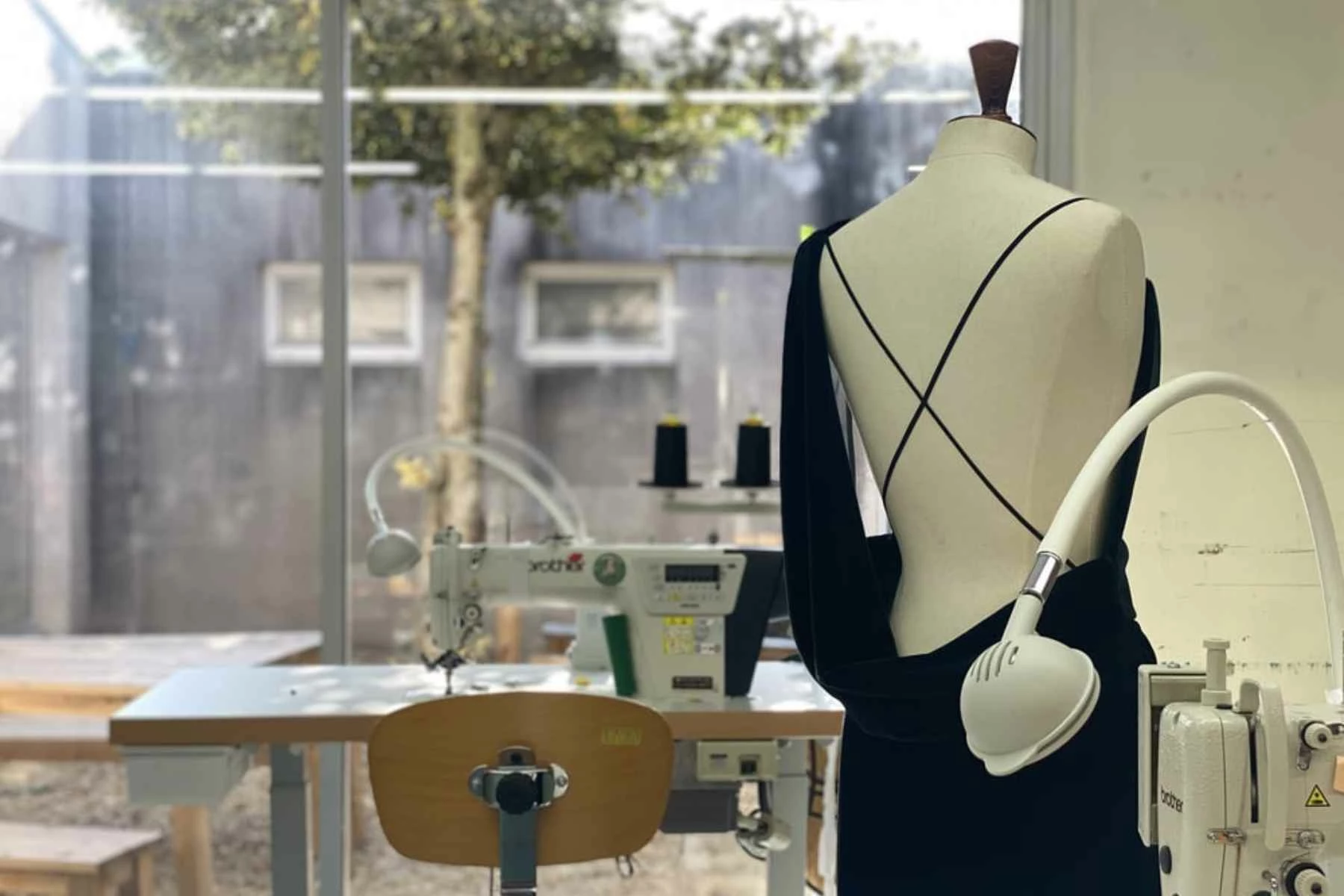
Lethu-Régence, which became Manufacture de Clisson in 2020 under the direction of Manon Cornué, has undergone a veritable transformation. Doubling its workforce and redefining its activities, this historic manufacture has reinvented itself while preserving its heritage.
Nearly a century after its Design, the company is continually strengthening its savoir-faire to craft a wide variety of high-quality products ranging from elegant blouses to sumptuous dresses, skirts and delicate knitwear. The factory works with supple, refined materials and builds lasting relationships with renowned customers in the luxury and high-end sectors.
A historic company in the midst of reinvention
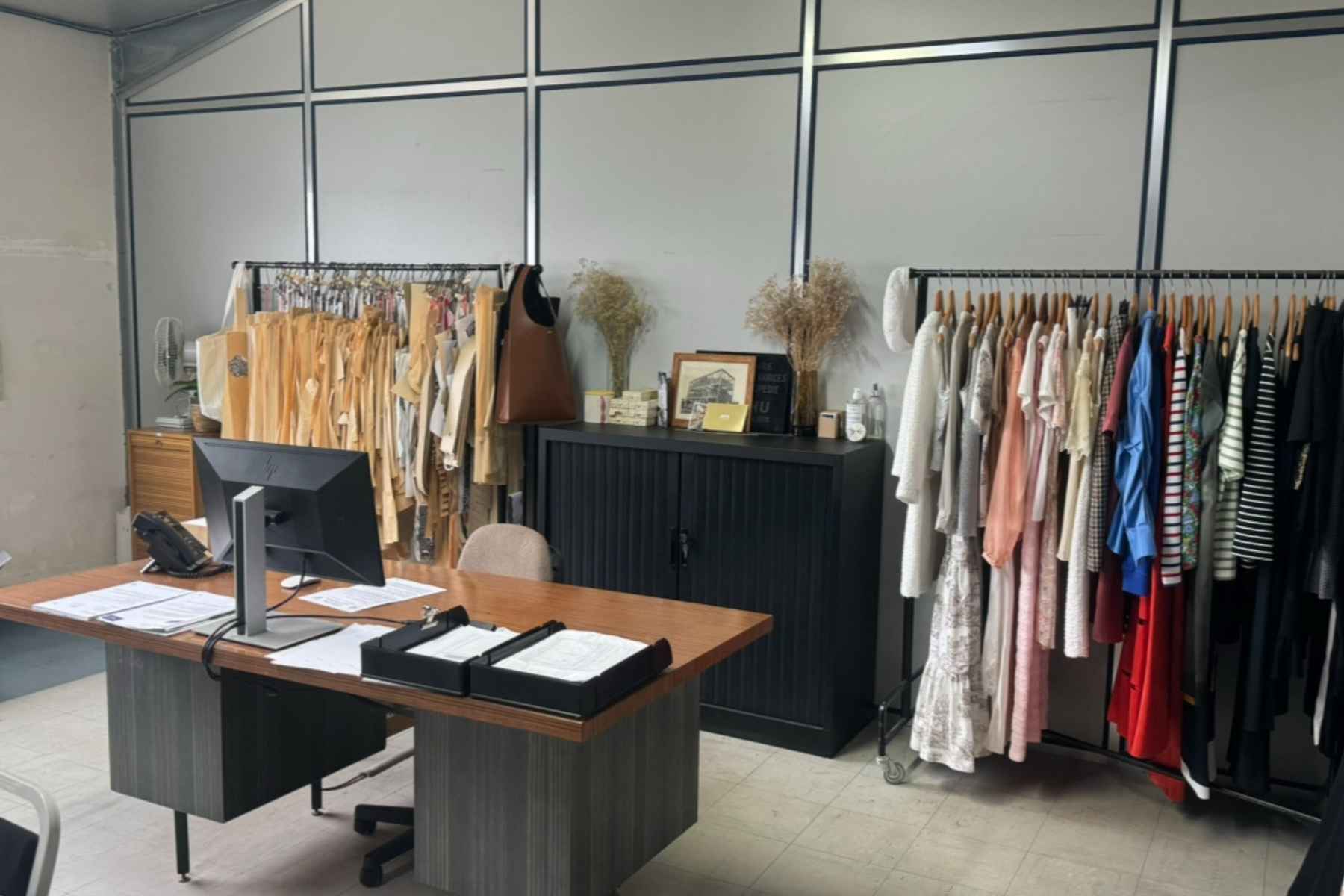
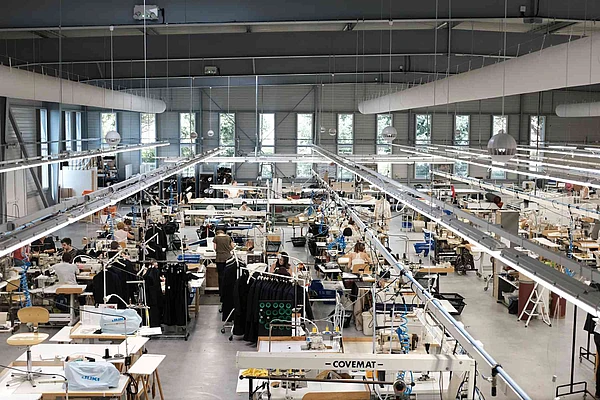
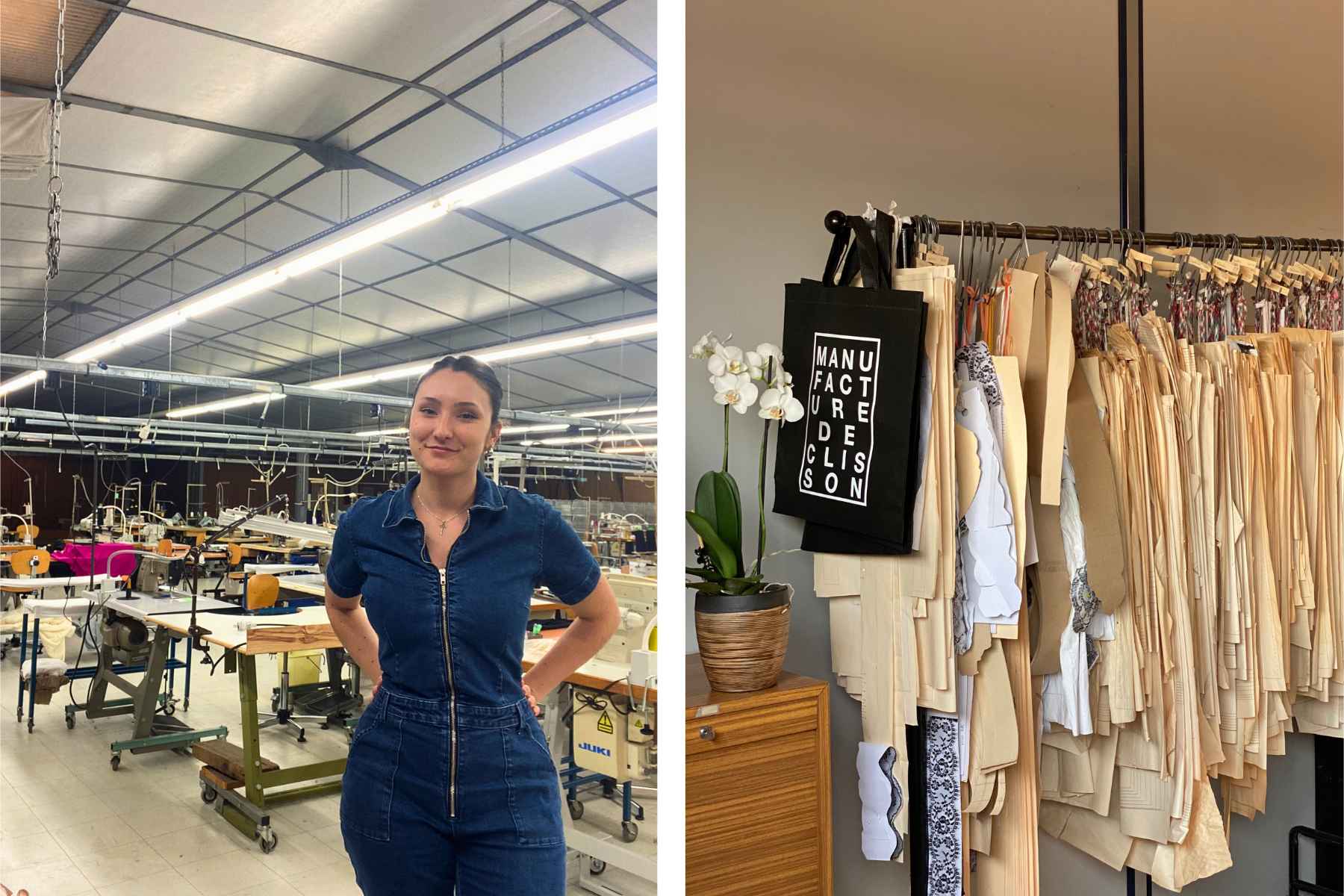
Founded in 1928 in St-Nazaire, Lethu Régence had carved out a place for itself in the textile industry, initially specializing in the medical sector (orthopedics and corsetry), then in nightwear from 1965 with its Régence brand. "They built the building we're in now, which has housed up to 150 people in the company's heyday," explains Manon Cornué. The period between 2005 and 2010 marked a turning point in the company's activity, as it opened up to subcontracting of high-end products.
In 2020, Manon Cornué and her father took over the company, then in liquidation. A few weeks after the takeover, the COVID crisis erupted, prompting a profound rethink. "The mask issue made us rethink the company's strategy completely. We supplied the whole conurbation and hired temporary staff. It gave us a new lease of life, and we completely changed the way we operated. After that, we worked with local brands promoting Made in France, and then with luxury brands," testifies the Director.
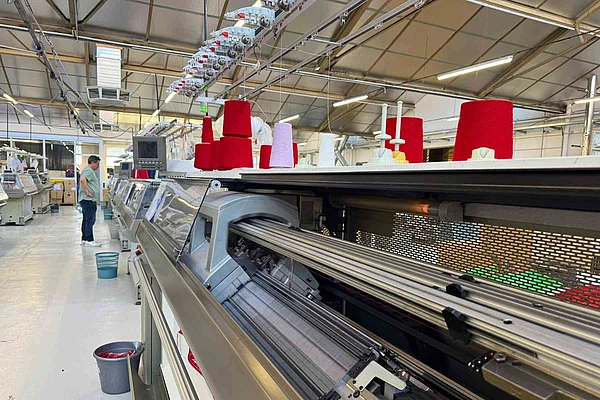
The company boasts a high degree of versatility, with a range of savoir-faire including cut and sew knit, lace and flou / soft dressmaking. This versatility is also evident in the consulting services we offer our customers, explains the Director: "We find solutions to meet deadlines and customer designs. We suggest improvements using our knowledge and savoir-faire". She points out that there is a "real demand from certain brands for consulting on the development of parts and the respect of their budgets". The product development unit plays a central role in this respect, working closely with customers to turn their ideas into reality. The team coordinates every modification and adjusts directly with the customer. Cutting is mastered both industrially and by hand, enabling the manipulation of a variety of materials, including upcycled materials.
Facing challenges and building expertise
 © Manufacture de Clisson">
The takeover brought many challenges for the young entrepreneur. Manon Cornué, who took over the workshop at the age of 23 after several internships with major Home companies, explains that she had "a certain approach to manufacturing, but the buyout made me question a lot of elements in this field". She cites as examples the cost-per-minute ratio and ancillary time not actually included, the need to update the machine park she inherited on purchase, and to find a new way of operating in terms of maintenance, as "there's the subject of mechanics retiring", she notes.
Despite the challenge of preserving skills and savoir-faire, Manon Cornué remains optimistic, underlining the commitment and solidarity of her team "with a real professional conscience. The old hands have pulled the new team members up. Before they retire, we want to ensure that our savoir-faire is truly passed on", says the Director. She explains her desire to "stabilize our base by training them as much as possible. We've been training gradually, as we've had more and more luxury customers with increasingly specialized skill requirements." In fact, Manufacture de Clisson recognizes the importance of ongoing training. In collaboration with IFTH and OPCO2i, the workshop provides training hours 1 to 2 times a year, with a dual objective, on the one hand to gain in versatility and pace, and on the other, to increase skills by specializing. She explains that she "would like to move towards a specialization of the workshop", in particular through upcycling, for which "there are new designs to be found", according to Manon Cornué.
She expresses her desire to maintain a human-sized team, emphasizing this desire, manifested by staff members. By favoring small groups, she favors versatile savoir-faire that responds effectively to a variety of customer demands, particularly for "hand stitch" sewing. which can now intervene at different stages of the product. This approach underlines the brands' enduring attachment to artisanal manufacturing. She adds that "for some of our customers, the advantage of Made in France facilitates product traceability and/or is a bonus for their customers, who are delighted to wear locally made products".
The transformation of Manufacture de Clisson under the direction of Manon Cornué is an example of successful and ongoing reinvention. Despite the challenges, the company has managed to preserve its heritage while strengthening its expertise and offering quality services. Manufacture de Clisson is a perfect example of the ability to combine tradition with a permanent upskilling to thrive in a constantly changing environment.
Find out more: http://manufacturedeclisson.fr/
Find out more about fiche de la Manufacture de Clisson on our platform.